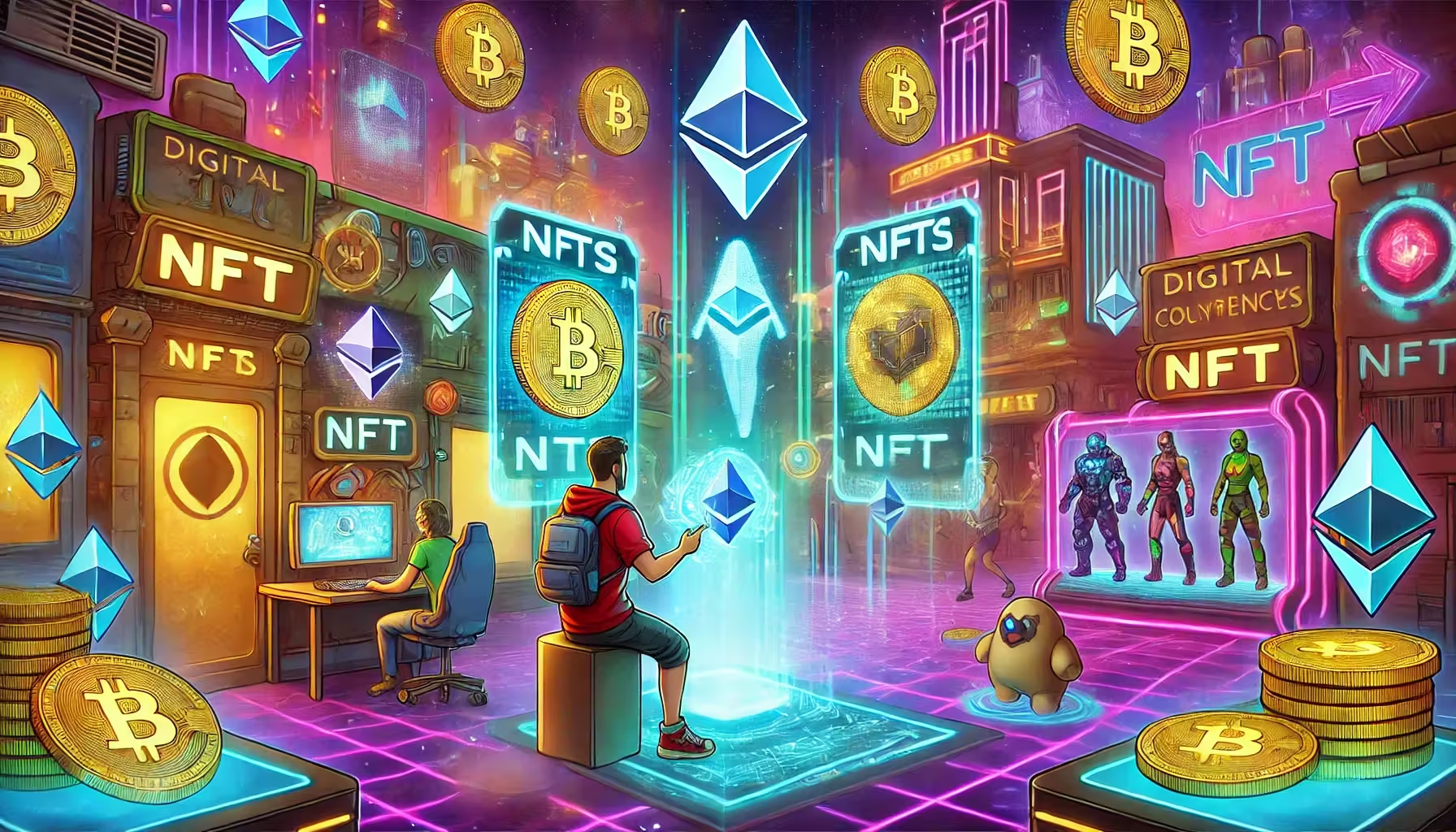
Picture a digital world where you possess the most limited edition items. This could be a sword unique to you in a game or a virtual art piece you can auction or show off.
These are examples of NFTs (non-fungible tokens). They are transforming the realm of games and digital collectibles. The potential that your favorite game, Dragon Slots, could one day become a highly sought-after digital prize is a possibility now!
What Are NFTs?
These are digital assets kept on a blockchain, a secure and decentralized digital ledger. They are distinct from other cryptocurrencies, such as Bitcoin. A digital signature attests to each one's uniqueness and ownership.
This implies that objects such as skins, weapons, or even virtual land might become special assets. They allow you to actually own the item rather than purchasing one that is only relevant to one game. As a result, you can use it on other platforms, and sell or trade it (if they’re connected).
Why NFTs and Gaming Work Well Together
Gaming is a perfect fit for NFTs. Most games nowadays require users to buy items. This doesn't necessarily mean that they own them. On top of that, these objects are locked to the game and can’t be traded outside of it. Once you stop, they lose their value.
NFTs change this. They turn in-game items into assets that you fully own. For example:
- Trading: Players can sell rare items for real money or exchange them with others.
- Interoperability: Imagine using a rare sword you earned in one game in a completely different game. NFTs make this possible.
- Proven Scarcity: With NFTs, users can verify that their item is truly rare. This adds value and exclusivity. This is much like a limited-edition collector’s item in the real world.
Digital Collectibles
A whole new market has bloomed for virtual collectibles. These can be thought of as the online versions of action figures, trading cards, and artwork. Artists now sell their digital work this way, as each piece can be bought and/or displayed in virtual galleries. Musicians are also using this format to release exclusive songs or album covers.
Brands are also jumping in. They are creating virtual shoes and clothing as NFT. People can dress their avatars with branded outfits or show off their collectibles in online spaces. One example of such an avenue is Decentraland.
The creation of virtual real estate is another use. In platforms like Cryptovoxels, users can buy, sell, and build on digital land. These spaces are often used for games, events, or even digital storefronts.
How Blockchain Tech Makes It Possible
NFTs wouldn’t exist without blockchain technology. Blockchains are secure systems that record transactions in a way that can’t be changed. This ensures that each one is authentic and keeps track of who owns it.
Ethereum is the most popular blockchain for this, but others like Solana and Polygon are growing quickly. These make it easy to mint (create) them, transfer ownership, and verify authenticity.

CEO | Editor | Content Writer


With over 15 years of playing games and 5 years of writing articles, Yaroslav is a CEO and content creator at HermitGamer. Yaroslav regularly plays video games, creates useful guides, and writes reviews with his opinion on new and old titles. His main goal is to make HermitGamer a platform, where each gamer can find the answers.
 Back to Top