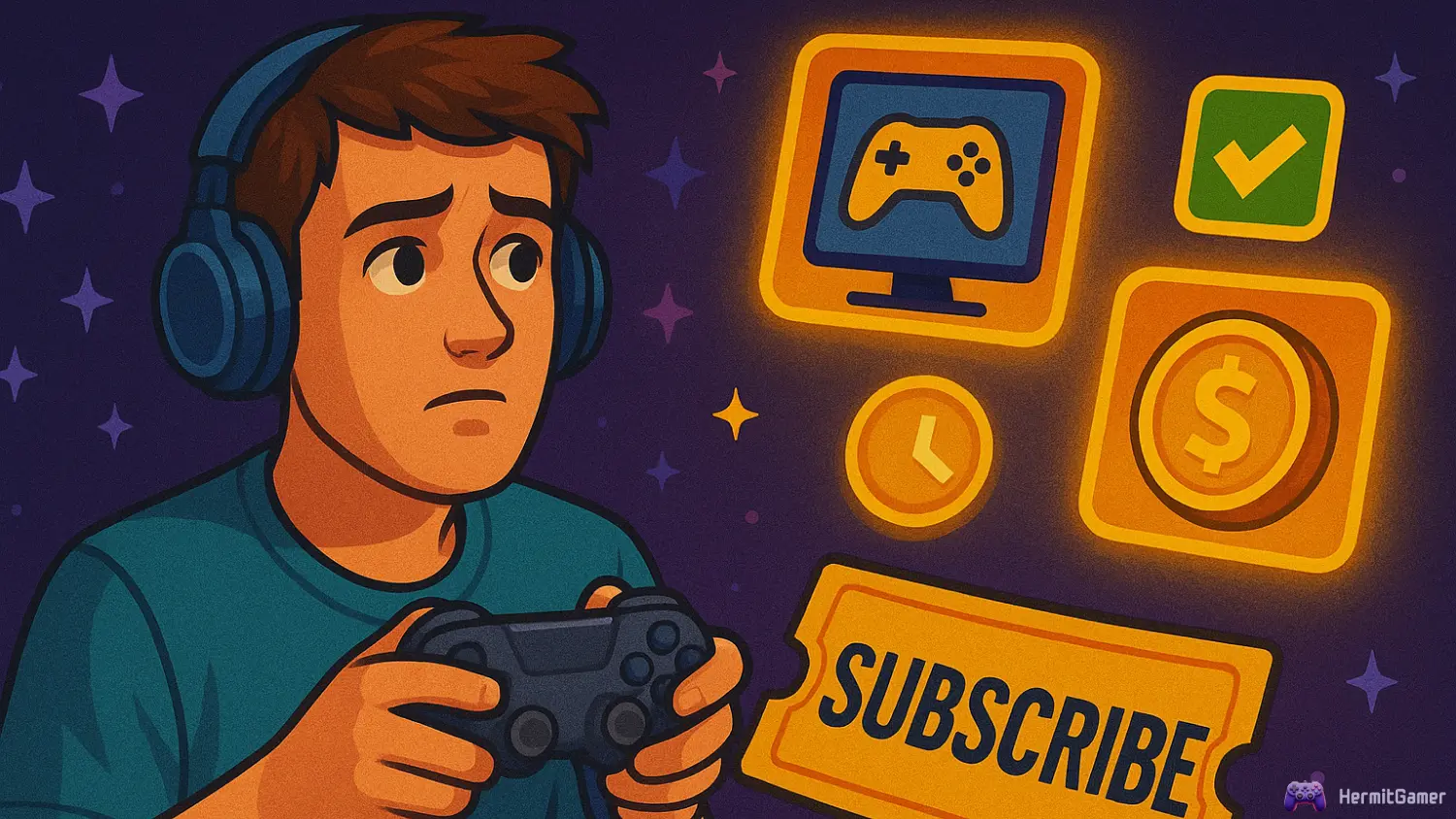
The gaming business is always changing, and the emergence of subscription-based gaming services in recent years has been one of the most obvious changes. Subscription services give players easy access to endless libraries on consoles, PCs, and mobile devices. They aim for a smooth experience, much like Azurslot, which provides easy access to online gaming. However, are these services actually worth the monthly cost, or are they only a fad aimed at making money off of convenience?
Subscription gaming services such as Xbox Game Pass, PlayStation Plus, EA Play, and Ubisoft+ have brought interactive entertainment to the mainstream in a manner similar to that of Netflix. Players can enjoy a rotating library with hundreds of games. This includes popular classics and new releases. They pay a set monthly or yearly fee for access. Both casual and die-hard gamers seeking diversity without shelling out $60 or more for a single game will find this model appealing.
The value that these services provide is one of their main advantages. For instance, Xbox Game Pass frequently includes AAA games on the same day they are released, thus saving customers a lot of money. Players who enjoy multiple games each month can save money. This is better than buying each game separately. Additionally, it's a risk-free method to test out games you would not otherwise purchase.
Subscription services also let players find niche genres and independent treasures. Users are more likely to try new games if they have a large library. This variety boosts gameplay and helps smaller developers stand out with big studios.
Convenience is an additional benefit. Gamers no longer need to wait for pricey downloads or hard copies. They can start playing games immediately if their subscription is active. This meets the needs of today’s fast-paced digital customers.
There are a few things to keep in mind, though. The game library' continuous rotation is one frequent complaint. You may lose access or have to purchase the title separately if it is removed from the catalog while you are halfway through it. This can be annoying, particularly in games that are longer or include a plot.
Additionally, there is a chance of oversaturation. Because there are so many rival services with unique content, it might get expensive to subscribe to them all. Similar to television's streaming battles, gamers would have to pay more overall just to get access to everything they desire.
Furthermore, the model might have an impact on game development. Some worry that studios might make games with shorter lifespans. They think this could cater to binge players. Others fear studios may focus on quantity instead of quality to meet content needs. This could harm experimental or narratively dense games in favor of quick, replayable material.
Do game subscription services make sense, then? Your gaming habits will determine the answer. It's a good bargain if you like trying out different games or want to explore new releases without paying full retail costs. However, it can make more sense to purchase the game entirely if you have a tendency to play it for months at a time.
Ultimately, the way we access and interact with games has been altered by subscription services. Despite their flaws, they provide unquestionable value, diversity, and convenience—three factors that contemporary gamers frequently favor.

CEO | Editor | Content Writer


With over 15 years of playing games and 5 years of writing articles, Yaroslav is a CEO and content creator at HermitGamer. Yaroslav regularly plays video games, creates useful guides, and writes reviews with his opinion on new and old titles. His main goal is to make HermitGamer a platform, where each gamer can find the answers.
 Back to Top