How Games Are Changing the Internet and Web Design

Hermitgamer Post 9

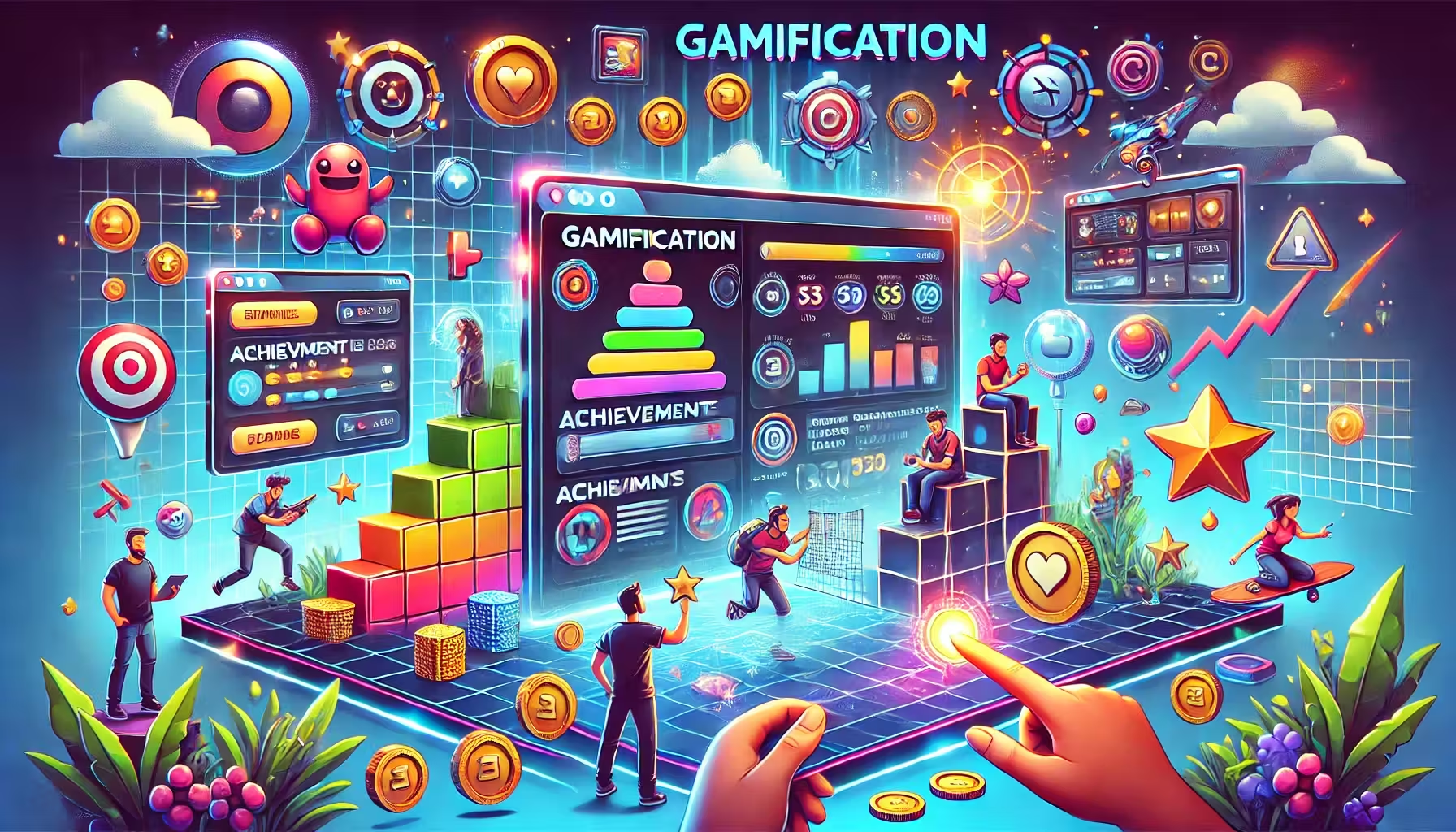
The internet used to be simple, with plain websites full of text and links. Modern platforms provide enhanced experiences, thanks to their captivating and interactive designs. Nowadays, points and challenges are being employed as elements to enhance engagement via gamification.

Let’s look at what this is, how it works in web design, and why it’s becoming so popular, even by some of your favorite online casino titles like Dragon Slots!

What Is Gamification?

Gamification is when websites or apps use game-like features to keep people interested. For example:

  1. Progress bars show how close you are to finishing something, like setting up a profile.
  2. Points or badges reward you for completing tasks.
  3. Leaderboards rank you against others, making it competitive.

When you see this, they make the experience feel more like a game. It keeps users engaged and motivates them to come back for more.

Why Does It Work?

Gamification works because it taps into things people naturally enjoy:

  1. Feeling rewarded: We like getting points, badges, or other perks for completing things.
  2. Making progress: Seeing how far you’ve come with a visual indicator makes you want to finish what you started.
  3. Friendly competition: Leaderboards make users want to do better than others.

Having fun: Such features make everyday tasks feel less boring.

How It Shapes Web Design

Web designers use this strategy to make things feel more interactive and engaging. Here are some common examples:

  1. Progress Bars: A progress bar suggests your closeness to completing a task. For instance, LinkedIn uses one to motivate you to complete your profile. It is more likely that you will finish the task, as it feels rewarding to watch.
  2. Points and Rewards: You can collect points through digital platforms when you perform tasks. Once you’ve collected enough, you can use these towards rewards like free dining prospects. This makes people want to keep coming back.
  3. Badges and Leaderboards: Sites often use badges or leaderboards to motivate users. Fitness apps like Strava give users badges for completing workouts or reaching goals. Leaderboards show how you compare to others, which makes you want to do better.
  4. Quizzes and Interactive Content: Websites like BuzzFeed use quizzes to grab people’s attention, as they’re fun and make users want to share their results with friends. This keeps the engagement up and gets more people to visit.
  5. Customizable Profiles: Some online spaces let you create a custom avatar or profile, like Reddit, which lets users choose profile pictures and themes. This makes the experience feel more personal and fun.

Why It Isn’t Always Perfect

Gamification has its challenges:

  • Too much can be annoying: If there are too many flashy features, it can feel overwhelming or fake.
  • Not everyone likes competition: Some people may not care about badges or leaderboards.
  • It takes time and money: Adding such features can be expensive and complicated. When done in a bad way, it can drive traffic away from your domain.
Yaroslav mokliak
Yaroslav Mokliak

CEO | Editor | Content Writer

With over 15 years of playing games and 5 years of writing articles, Yaroslav is a CEO and content creator at HermitGamer. Yaroslav regularly plays video games, creates useful guides, and writes reviews with his opinion on new and old titles. His main goal is to make HermitGamer a platform, where each gamer can find the answers.

Comments

Blue Background