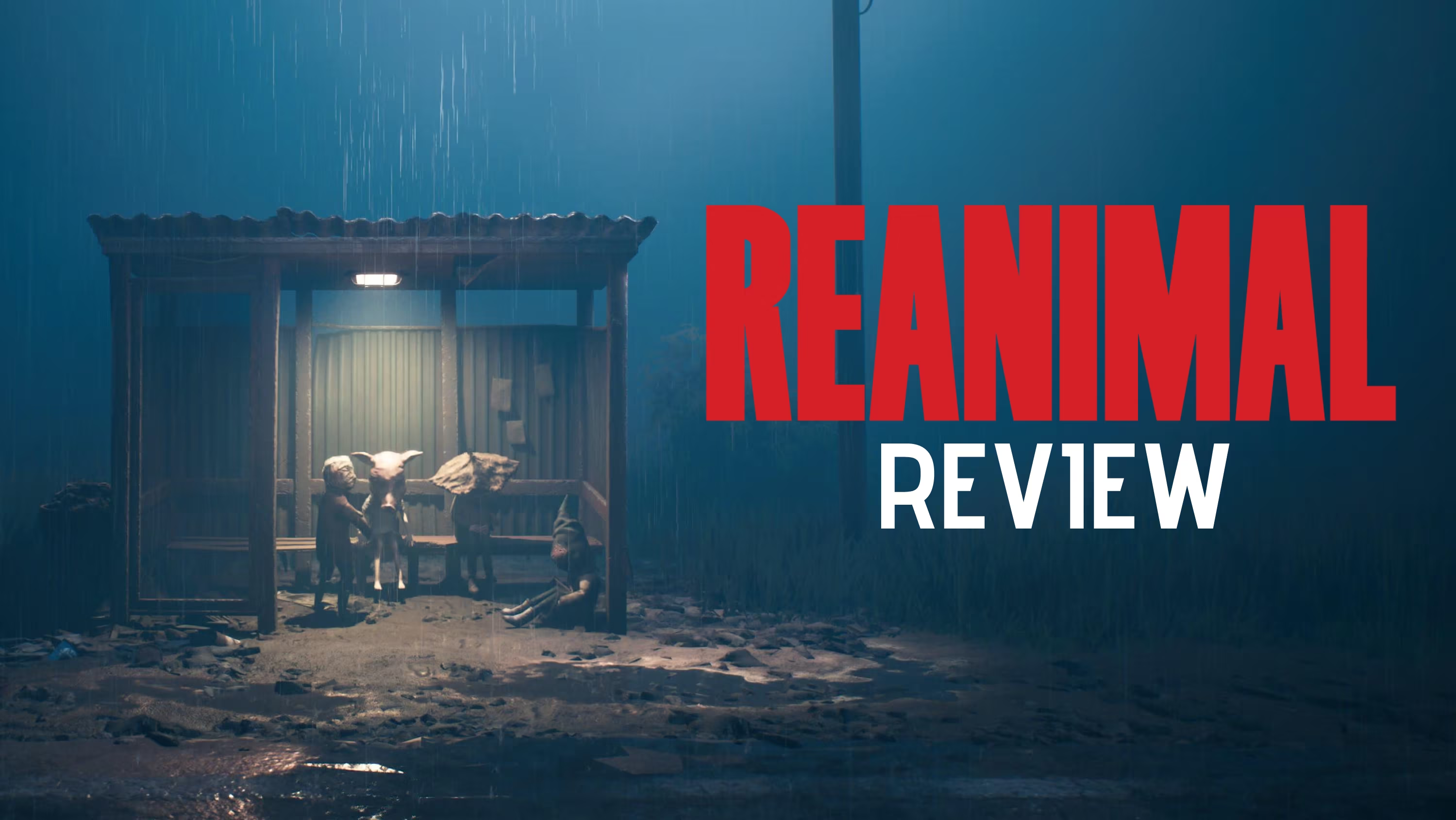
I’ve been playing horror games for… honestly, probably close to 15 years now. And if there’s one thing I’ve learned, it’s that you never really know what’s going to scare you. Sometimes it’s the monsters, sometimes it’s the atmosphere, but more often it’s something harder to explain. That weird feeling when you don’t fully understand what’s happening, but your brain keeps trying to figure it out anyway.
That’s basically the core idea behind Reanimal. Fear of the unknown. The things you can’t quite define, the stuff that doesn’t make complete sense even after the credits roll. And honestly, that’s exactly what happened here. When the game ended, it felt like I was still trying to pull at different pieces of the story. Like there’s something there, some bigger meaning, but it doesn’t fully reveal itself.
I won’t spoil anything obviously, because this really is the kind of game where discovering things yourself matters. But yeah… it stuck with me longer than I expected.
I went into it pretty blind too. Didn’t play any demo, just saw a few trailers. Thought I had a rough idea what the game might be like. Turns out… not really. The story slowly creeps up on you in a strange way. At some point you start connecting bits of what you saw earlier, and suddenly things feel heavier than they did during the actual playthrough.
Advantage
-
 Dark and Unique Horror Atmosphere
-
Strong Environmental Storytelling
-
Detailed Visual Design and Lighting
-
Immersive Sound and World Design
Disadvantages
-
 Relatively Short Game Length
-
Companion Character AI Limitations
The game doesn’t really explain much at the start. Actually, almost nothing. You wake up as a boy in a small boat out in the middle of the sea. No dialogue explaining the situation. No intro text. Just the sound of water and these blinking red buoys floating in the distance. Naturally, you follow them.
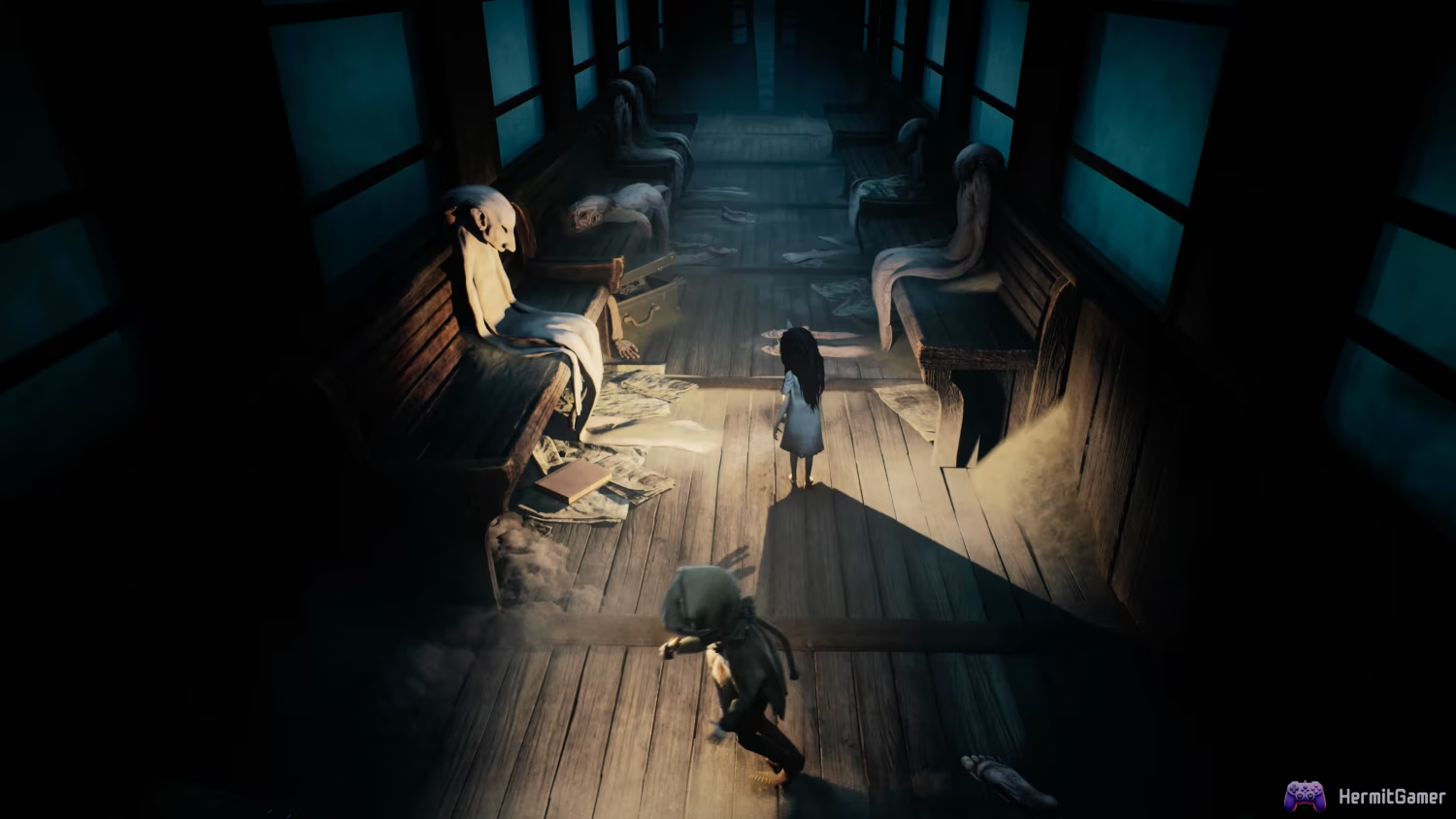
Eventually you come across a girl drifting in the water. The boy pulls her into the boat, which should be a nice rescue moment, except she wakes up in panic and basically grabs him by the throat. Not exactly a friendly introduction. After that awkward moment, the two start heading toward an island nearby to search for their missing friends, but once they arrive it’s clear something has gone seriously wrong with the world. The first place you explore is a trainyard filled with unsettling imagery - boneless bodies slithering across the ground, strange creatures moving in the shadows, and a tall, thin figure wandering the area with quiet menace. Even when the characters finally reunite with one of their friends, the moment feels hollow beneath the bleak sky.
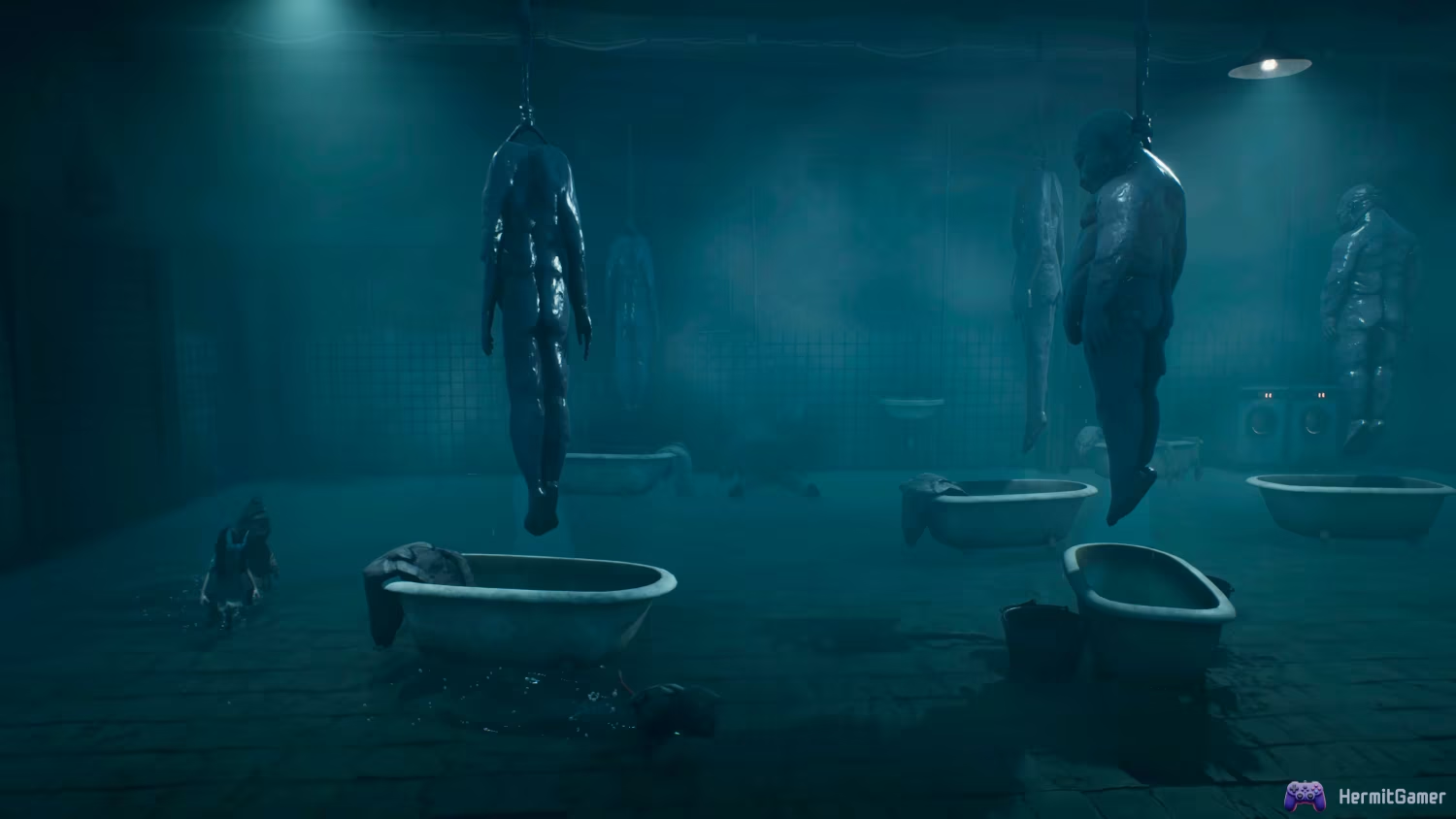
What I really liked about Reanimal is how little it tries to directly explain things. There’s almost no dialogue, no HUD cluttering the screen, and tutorials appear only briefly before disappearing again. Instead the game lets the environment do most of the storytelling, which works surprisingly well.
Disturbing details are scattered everywhere - strange drawings on walls, mutilated animals, abandoned buildings that clearly witnessed something terrible. None of it gets spelled out for you. The game just leaves you there to notice things and slowly piece them together. Visually it’s also impressive despite the dark tone. Lighting and shadows carry a lot of the atmosphere, and even small details like moving cables or subtle character animations make the world feel alive in a strange, uncomfortable way. The camera work helps a lot too, especially during chase scenes where it tracks the characters smoothly. The only real disappointment is the lack of HDR support on PS5, which feels like a missed opportunity given how strong the visual design already is.
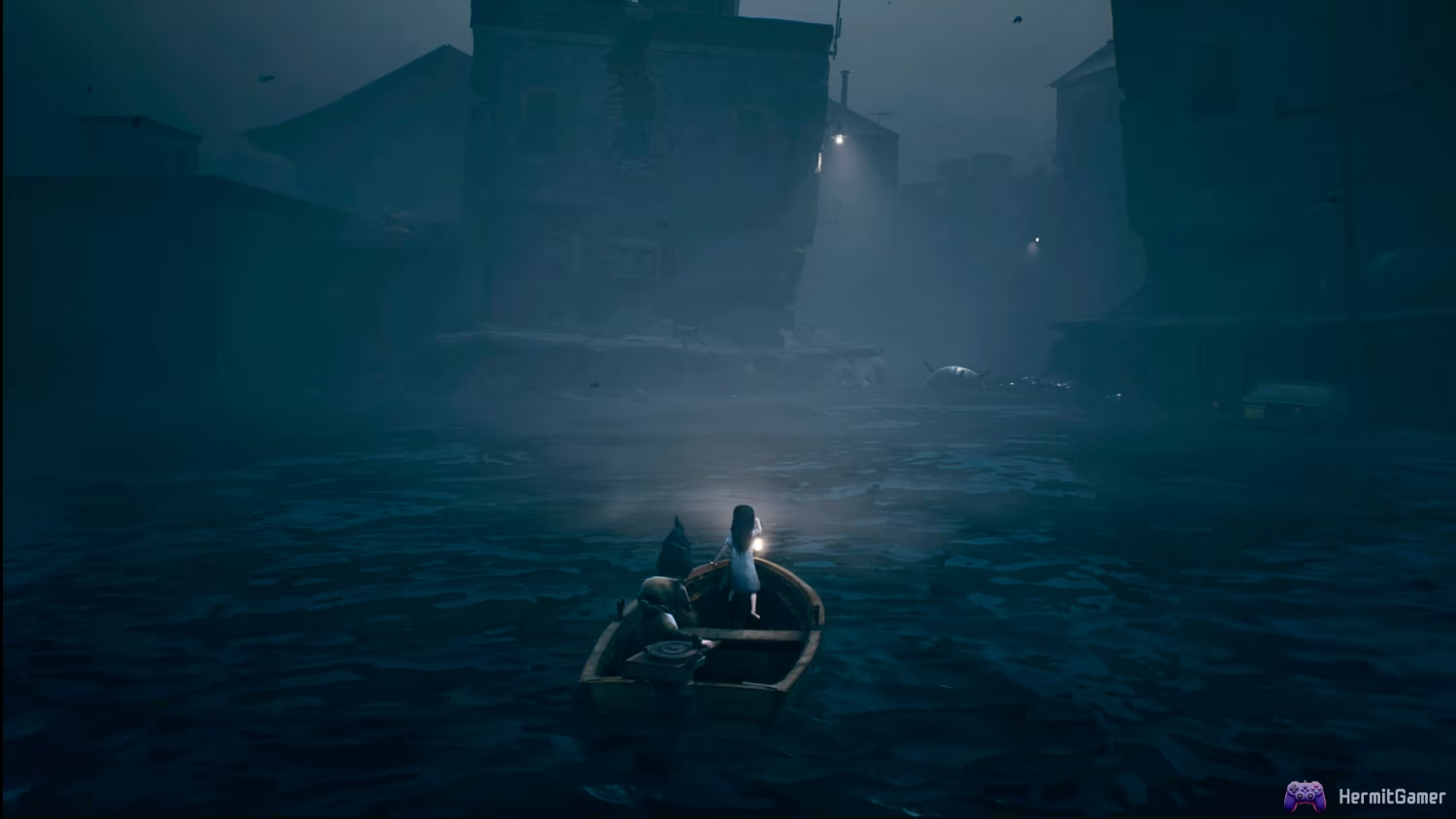
Gameplay in Reanimal doesn’t completely reinvent the genre, but it still manages to feel fresh in places. Platforming is still an important part of the experience, which makes sense considering the developers previously worked on Little Nightmares. The difference now is that the world is fully 3D, which adds a stronger focus on exploration.
Sometimes the path forward is obvious, but other times you really need to look around carefully. You might rotate the camera and suddenly notice a small alley you missed earlier, or remember a locked door and realize the key might be somewhere nearby. I personally used mostly the “look everywhere twice” style of playing, because the game definitely rewards that kind of approach. Stealth sections and chase moments appear throughout the adventure as well, though they rarely feel forced. There are occasional bits of trial and error, but checkpoints are generous enough that the pacing stays smooth.
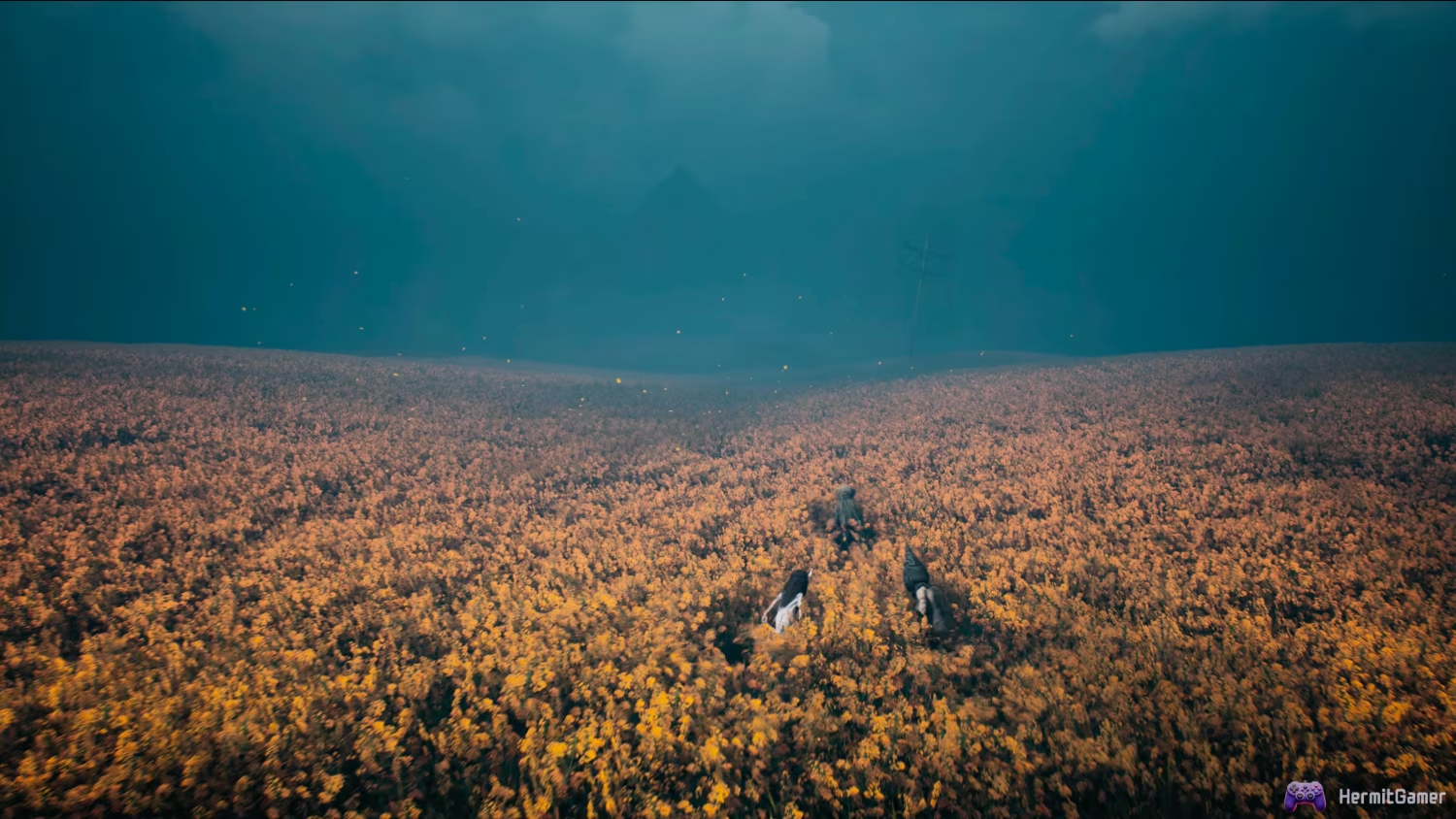
There are a couple of small things that slightly break immersion. When playing solo, many of the monsters focus mainly on the player character, which can lead to some odd moments where the companion stands almost next to a creature without being noticed. It’s not a huge problem, but you do notice it from time to time.
The ending might also divide some players. Without getting into spoilers, it leaves plenty of room for interpretation rather than providing clear answers. At first I wasn’t completely sure how I felt about it, but after thinking about it for a while it started to make more sense. There are also optional secrets scattered around the game - concept art, alternate masks, and other hidden details. I definitely didn’t find everything, which makes me think there might be more layers to the story than I caught during my first playthrough.
From a technical standpoint, the game feels very polished overall. During my playthrough I only noticed one small frame rate drop, and there was a single moment where the game became unresponsive and needed to be restarted. Thankfully progress wasn’t lost.
Aside from that and a few minor terrain glitches, everything ran smoothly. Considering how complex some scenes and animations are, the overall performance is pretty impressive.

CEO | Editor | Content Writer


With over 15 years of playing games and 5 years of writing articles, Yaroslav is a CEO and content creator at HermitGamer. Yaroslav regularly plays video games, creates useful guides, and writes reviews with his opinion on new and old titles. His main goal is to make HermitGamer a platform, where each gamer can find the answers.





 Back to Top