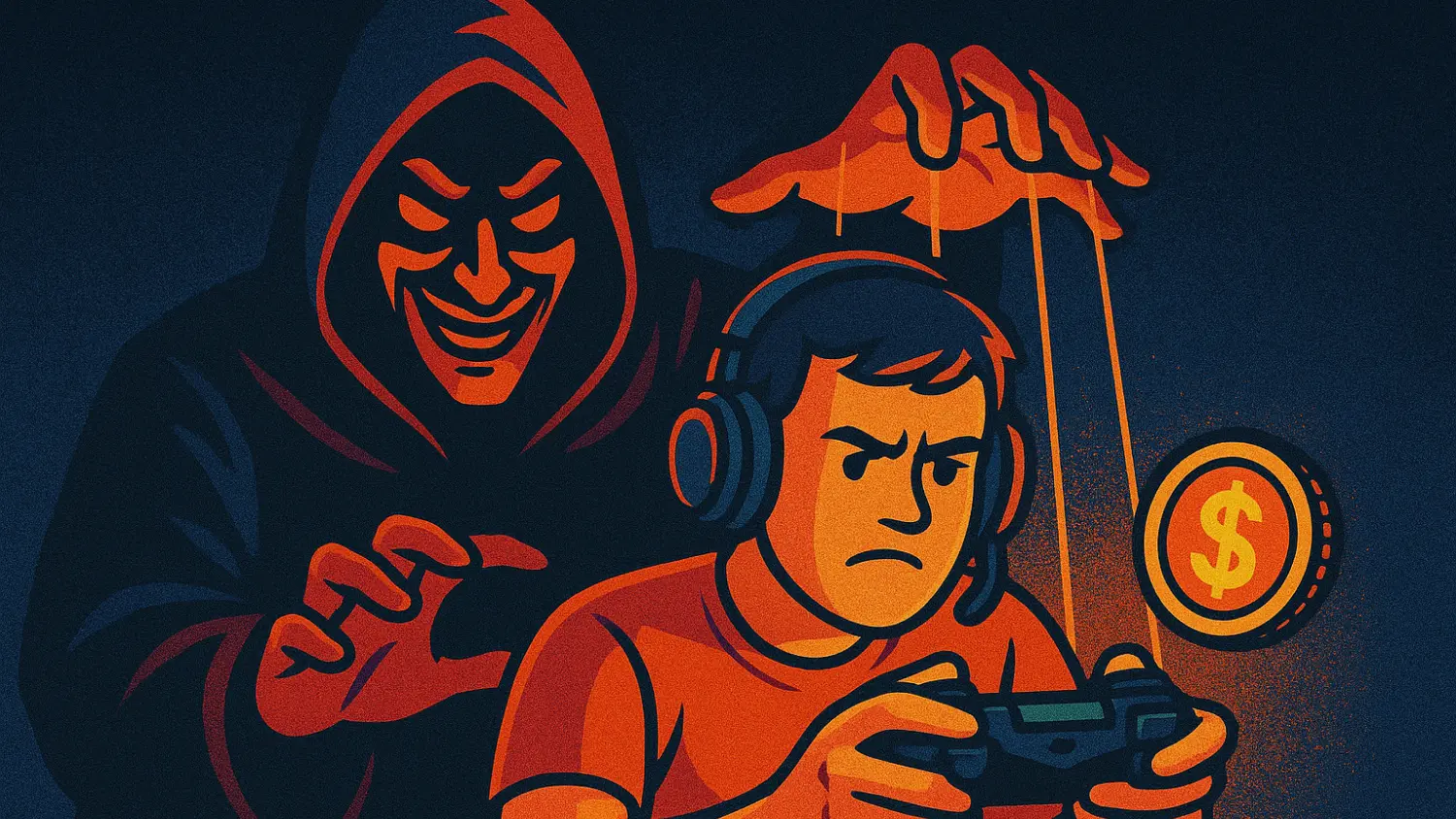
In today's gaming world, ownership and advancement have changed a lot. Gone are the days when buying a game meant you could use every feature. The gaming industry is currently dominated by microtransactions. They alter how players interact with games and how developers make money. With in-game purchases, many well-known games now draw players. The goal of these changes is to improve the gaming experience. In a similar vein, users can easily access online gambling capabilities through platforms such as Azurslot. However, are these purchases genuinely optional improvements, or are players being exploited?
Small in-game purchases are known as microtransactions. These consist of special items, character enhancements, in-game currency, and cosmetic skins. You see them mostly in free-to-play and mobile games. But they also appear in full-priced AAA titles. The idea started as a tool to help game producers. It aimed to provide regular updates. It has now become a significant source of income for gaming firms, frequently at the expense of players.
The fact that microtransactions frequently conceal themselves behind seemingly innocuous methods is one of their primary issues. Users frequently spend actual money to have a chance at expensive goods. This is due to the fact that loot boxes provide arbitrary rewards. This technique imitates gambling. This is particularly true when it comes to revealing rare items and dazzling animations. According to research, in-game purchases can behave similarly to an addiction. Younger players are therefore more susceptible to these techniques.
Another worrying tendency is the growth in "pay-to-win" schemes. In competitive games, participants can benefit from spending money. They gain benefits like stronger weapons, faster upgrades, or special skills. These benefits are lost for non-spenders. It produces an unequal playing field and undermines fair play. In this case, money is more important than talent.
Even in games that only permit cosmetic microtransactions, one may contend that player pressure is there. Limited-time deals, daily login incentives, and battle passes all contribute to FOMO. These tactics push players to buy on impulse. This is especially true when the content seems exclusive or unique.


 Back to Top