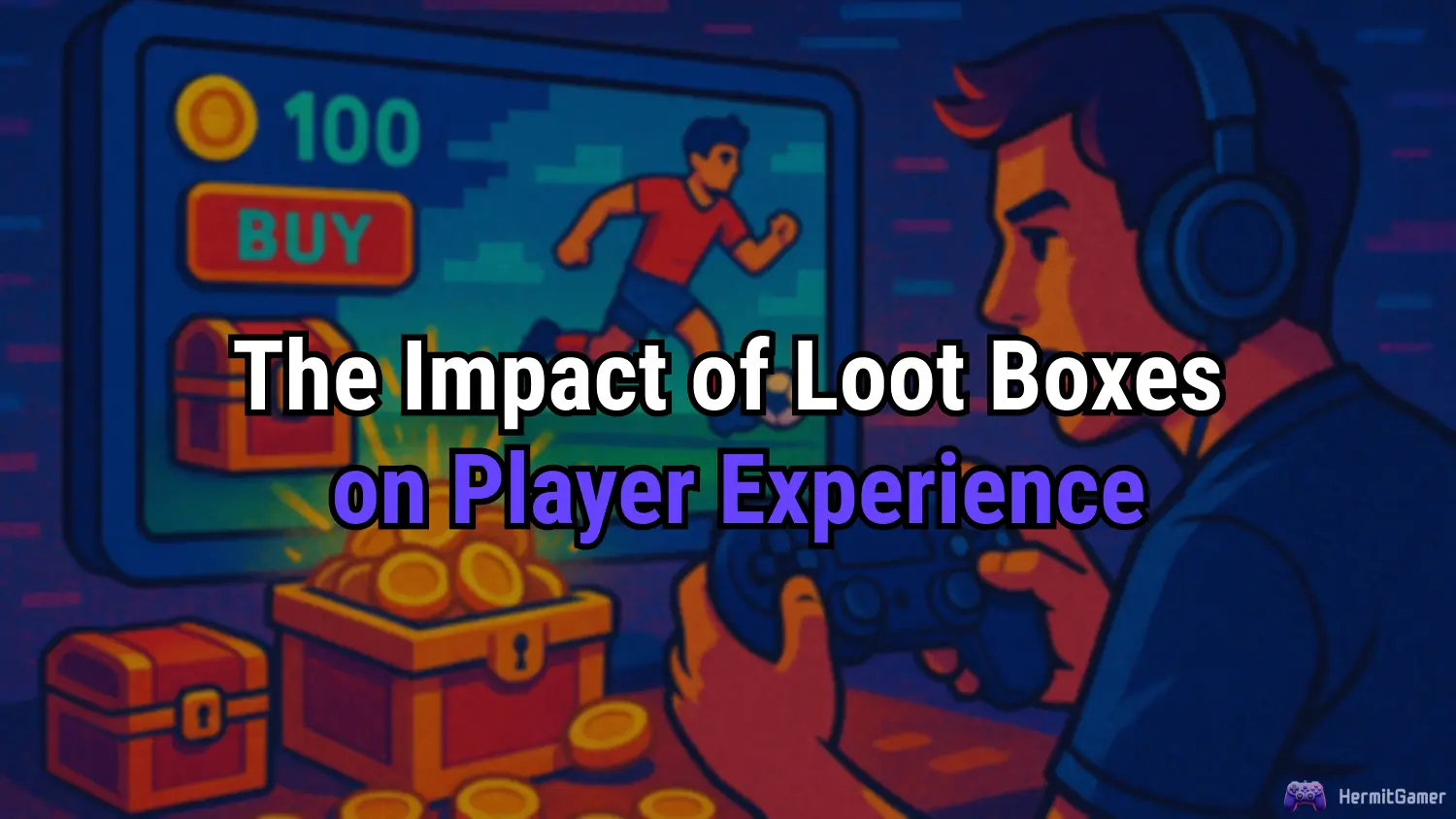
In today’s gaming world, loot boxes and microtransactions have become central features. They’ve reshaped how games are made, played, and monetized on platforms like Betrolla login. While they boost engagement and profits, they also raise concerns around fairness, addiction, and ethics.
Understanding Loot Boxes and Microtransactions
Loot boxes are digital containers that give players random items when opened—like characters, cosmetics, or powerful gear. Microtransactions are small in-game purchases. Players use them to buy currency, upgrades, or visual enhancements.
These features are common in free-to-play and mobile games. But they’ve also spread to premium titles. At first, they were just post-launch revenue tools. Now, they’re a core part of many game business models.
Effects on Player Experience
Loot boxes and microtransactions have a big impact on how players experience a game. Sometimes, games become “pay-to-win.” Players who spend money gain a clear advantage, while others can’t keep up. This creates imbalance and can push away those who prefer skill-based play.
Loot boxes also use gambling-like mechanics. Players pay to receive random rewards. The outcome is uncertain, which triggers the same psychology as slot machines—anticipation, reward, and the urge to try again.
That’s why researchers and policymakers are concerned. A 2019 study in Addictive Behaviors found a strong link between loot box spending and problem gambling. Vulnerable users, especially minors, can suffer real financial harm.
Industry-Wide Implications
For developers and publishers, loot boxes and microtransactions offer steady income long after a game’s launch. Games like FIFA, Fortnite, and Genshin Impact earn billions from microtransactions each year.
But this success has its downsides. Players are pushing back against aggressive monetization. A famous case was Star Wars Battlefront II in 2017. Gamers criticized it for locking key content behind paywalls and relying heavily on loot boxes. EA had to change its system, and the backlash led to global debates on regulation.
Some governments are now taking action. Belgium and the Netherlands classify certain loot box systems as gambling, making them illegal without a license. Other countries—like the UK and Australia—are investigating how these systems affect consumers and young players.
You can read more about how microtransactions are reshaping the industry in Investopedia’s article: How Microtransactions Impact the Economics of Gaming.


 Back to Top