I bet you're familiar with survival games like Minecraft or Rust, which challenge you to gather resources, build shelters, and survive various threats. Valheim joins this genre, bringing a fresh breath with its Norse mythology setting and distinct art style (which looks weird from the beginning).
In general, Valheim offers a very chill experience. It excels in creating a captivating atmosphere, with stunning landscapes and dynamic weather effects. However, you should give Valheim a try and spend several hours, as it may look bizarre and repellent from the very start. To be honest, when I first play Valheim with friends, I double-check my graphic settings and then ask my friends “Do you have the same graphics or am I having some issues on Mac?” However, after several hours I completely change my sceptic opinion about the game.
So, in this review, I'll give you all the facts about Valheim so you can decide if the game is for you. I've played it for almost 80 hours and have done extensive research to understand all its mechanics.
Advantage
-
 Immersive Building Physics
-
Unique Food System
-
Beautiful and Expansive World
-
Incredible Lighting
Disadvantages
-
 Relatively Tedious Grinding
-
Minor Bugs
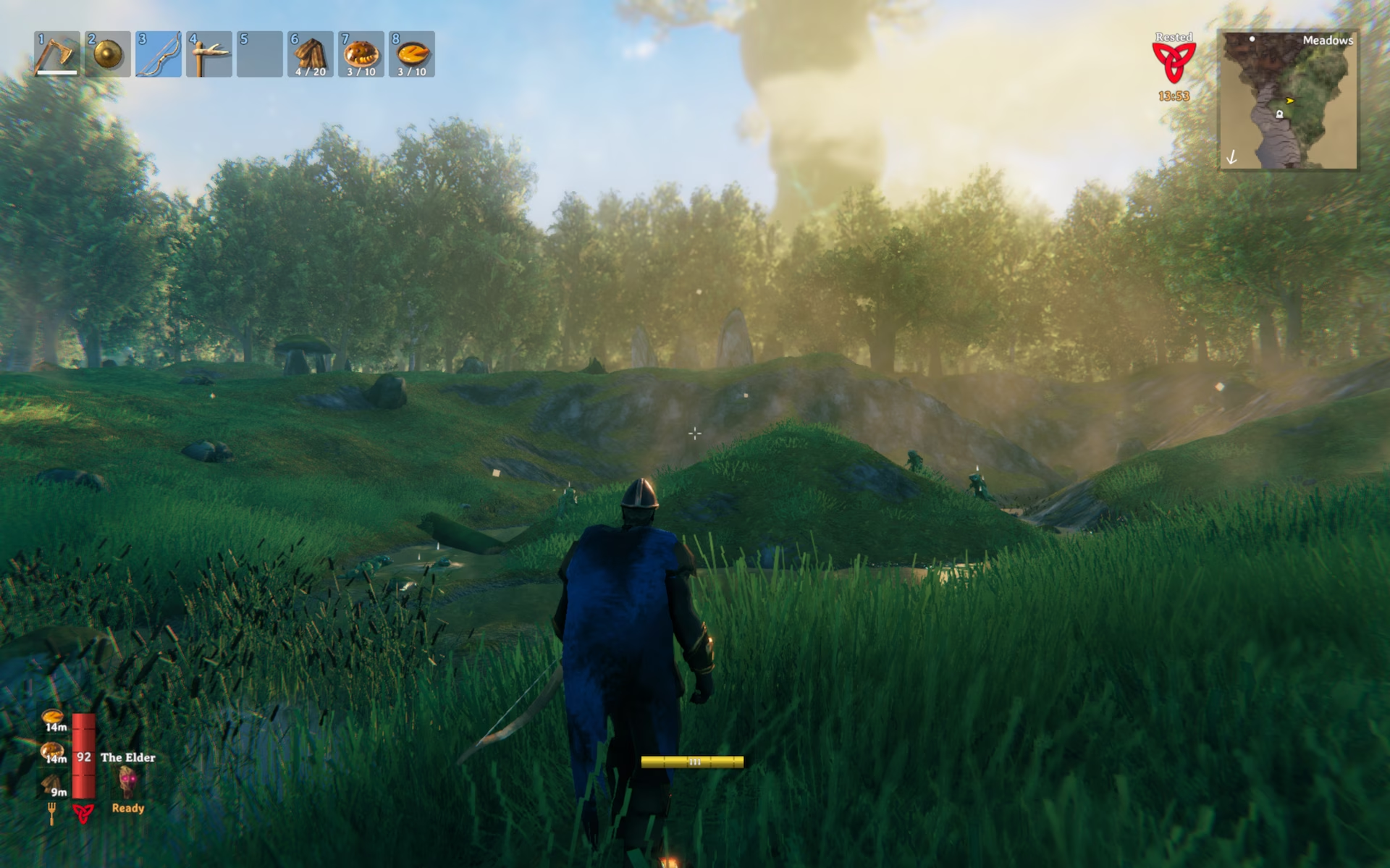
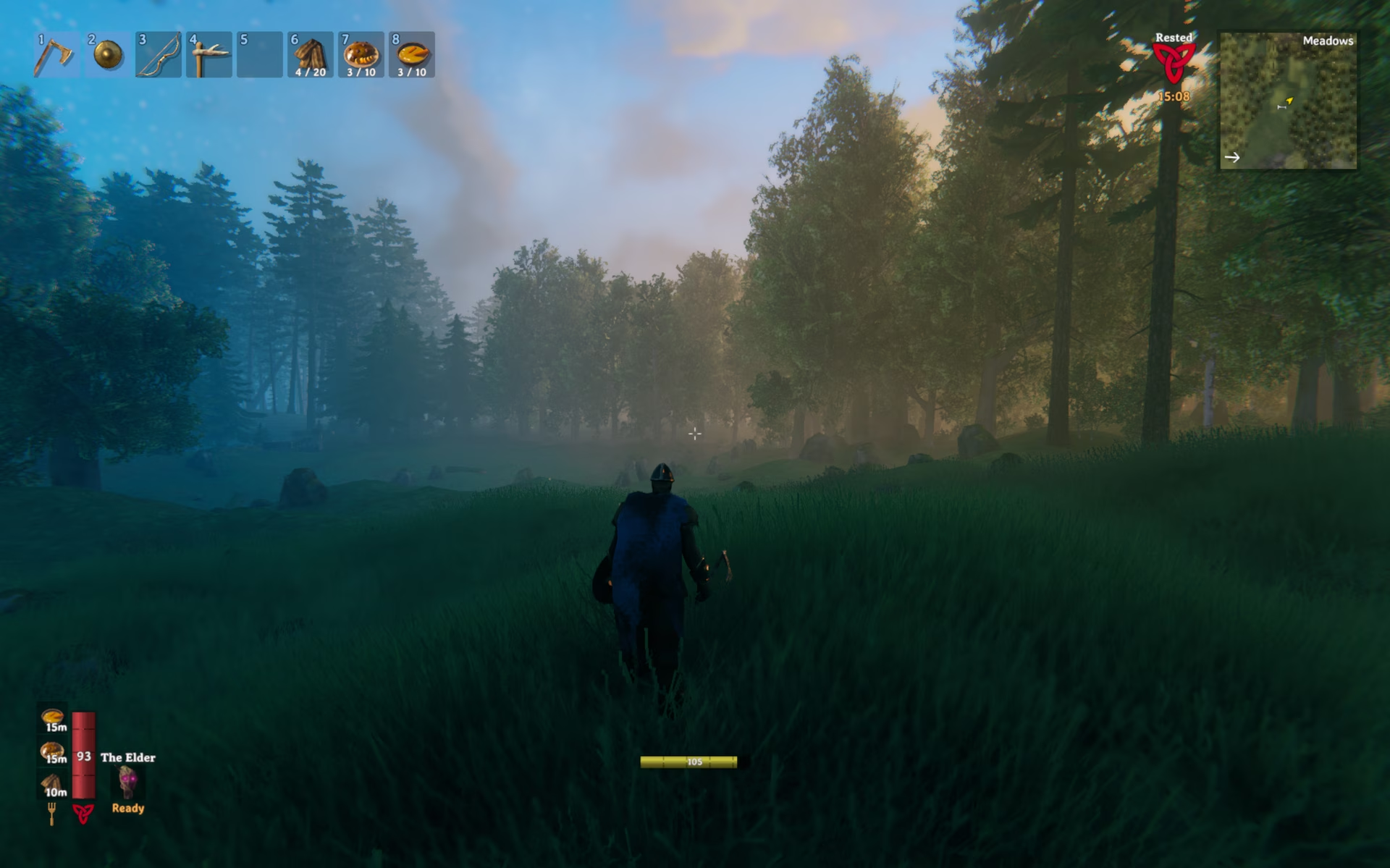
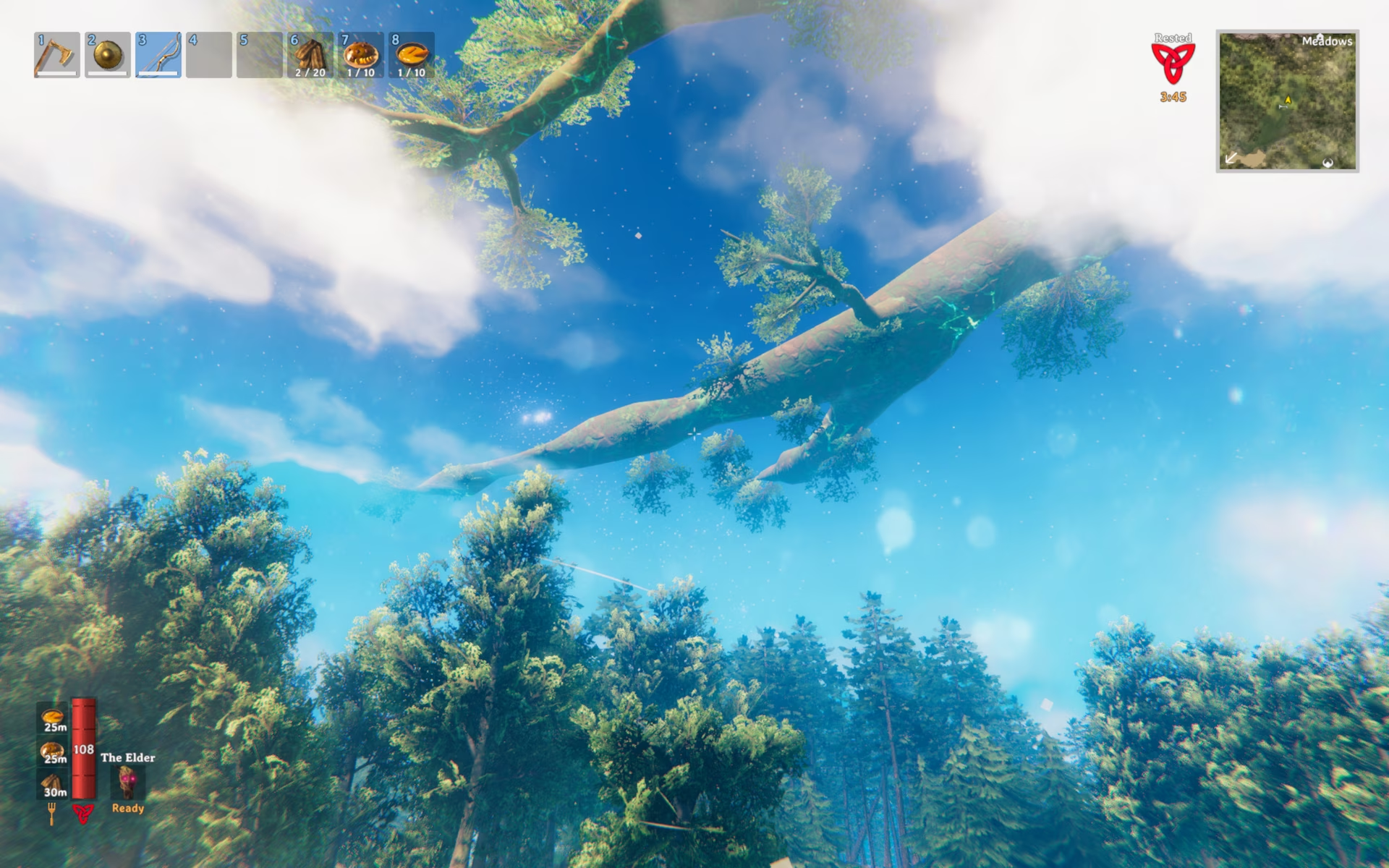
Valheim is a survival RPG set in a Viking environment. Your goal is to survive, defeat enemies, and even bosses. The world is massive and open for exploration, with plenty of different biomes and enemies.
The core gameplay involves crafting and upgrading gear, making weapons, and increasing your stats to fight bigger bosses. The game has a linear progression, requiring you to explore each zone fully before moving on to the next.
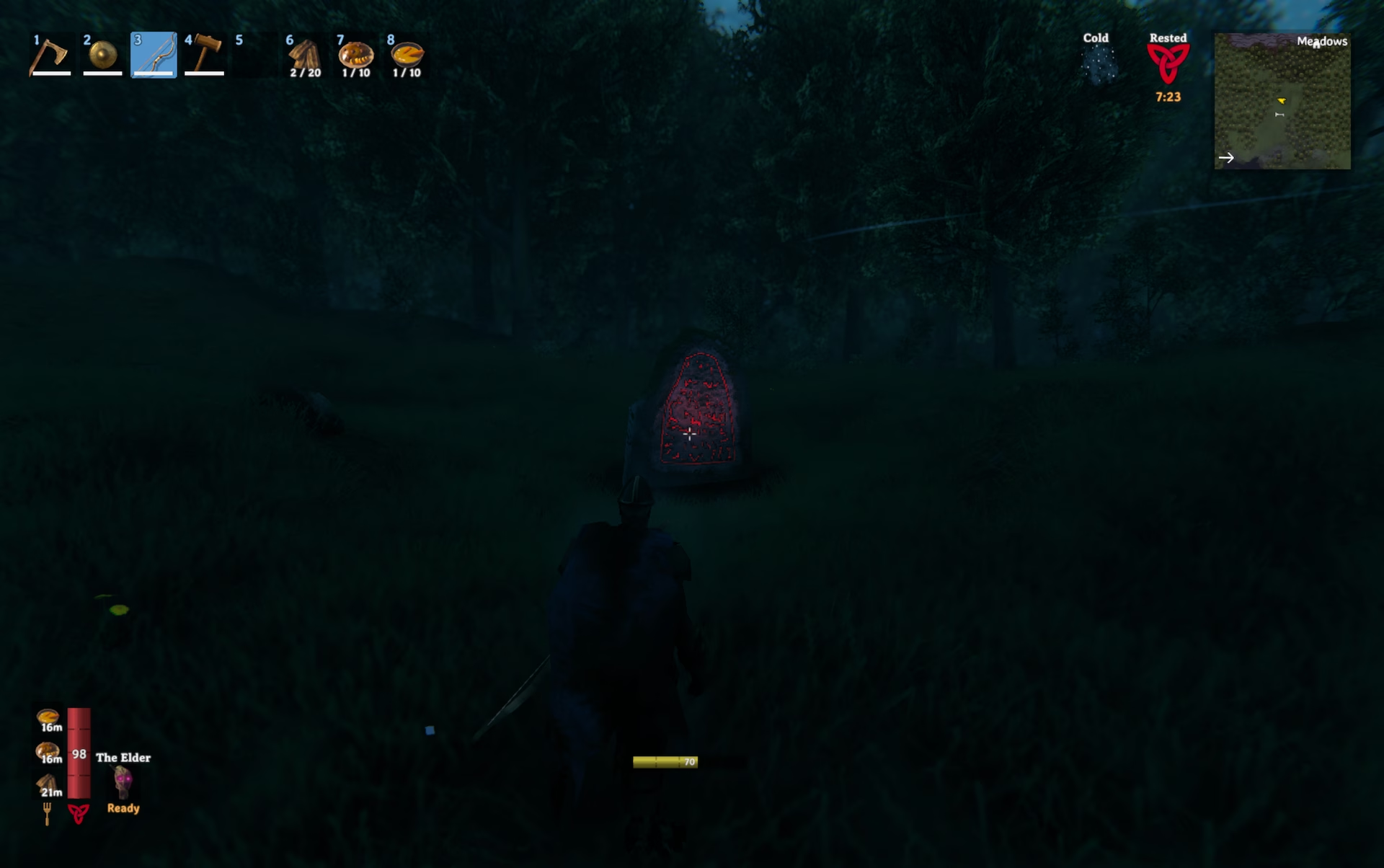
For instance, you'll start in the Meadows, the lowest-tier biome, which looks like the general forest with boars and deers, where you'll encounter weak enemies and learn the basics of the game. Later, you'll move into more challenging biomes like the Black Forest, Swamp, Ocean, Mountains, Plains, Mistlands, and Ashlands.
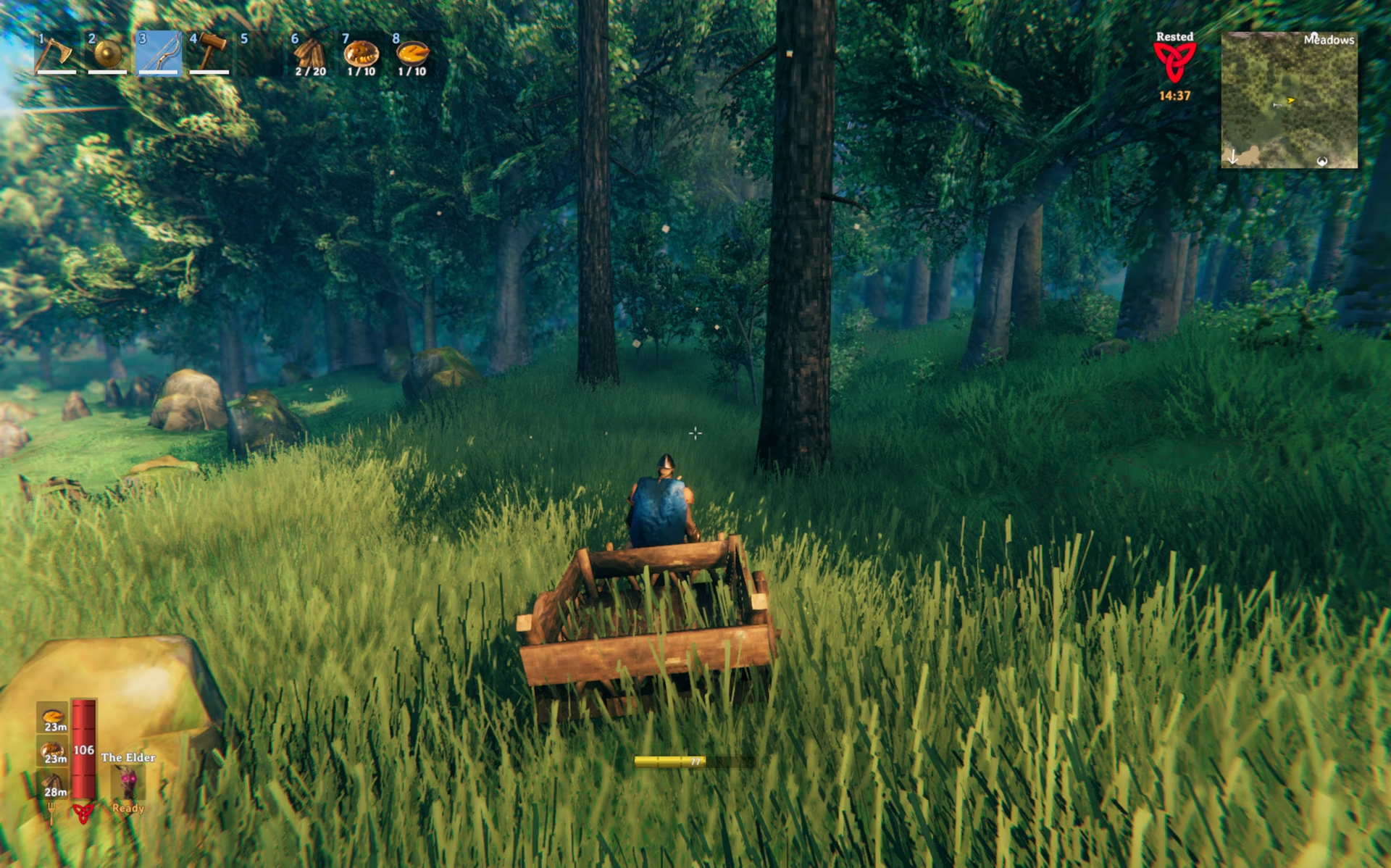
I think Valheim is absolutely gorgeous, and one reason it's so popular, is its polish, especially for an early-access game. It's complex, with advanced systems like the building mechanics that you'll need to learn through gameplay. However, the game is really simple to understand, at least if you've played survival games before.
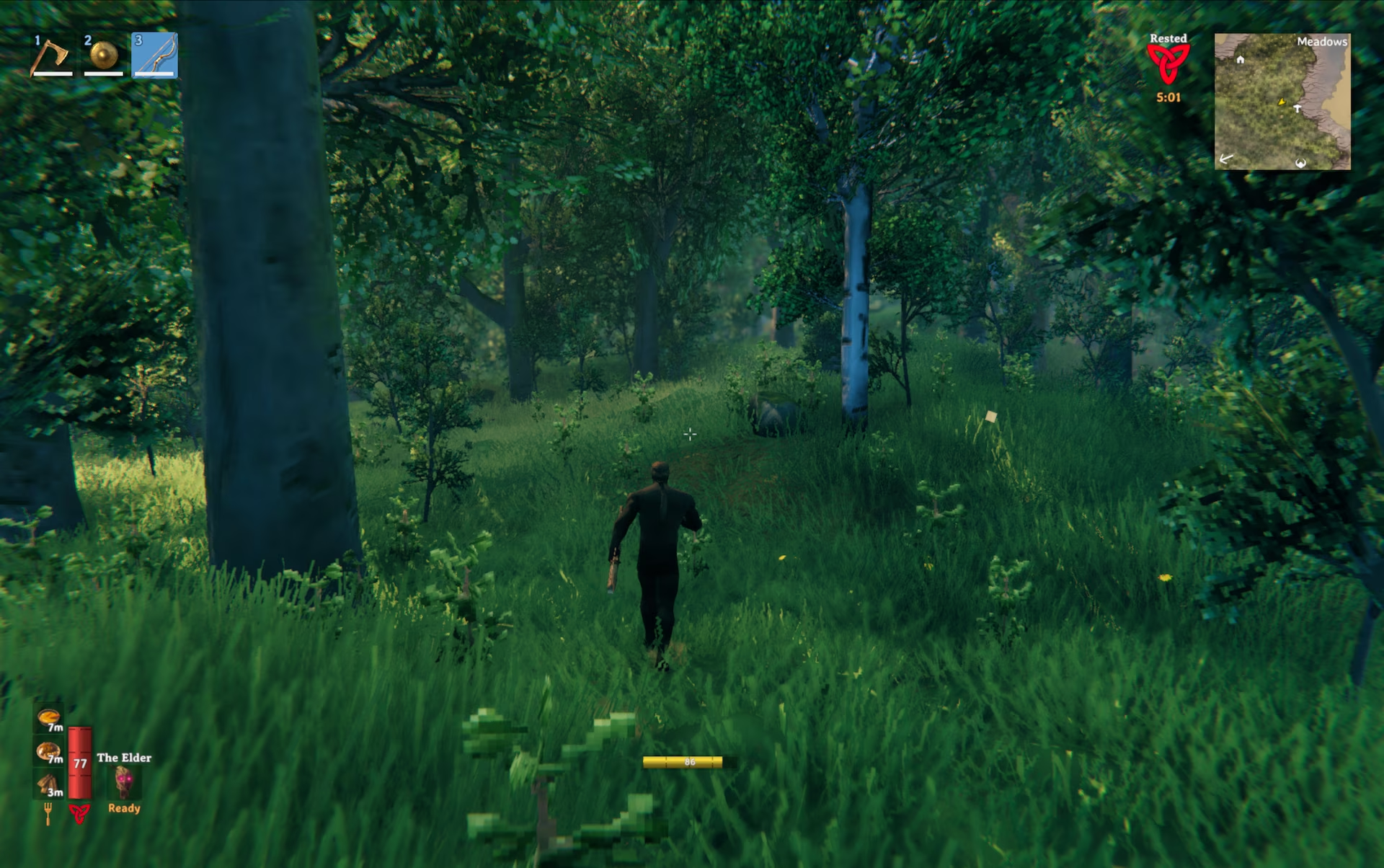
In the beginning, you should find an open area to build a base and manage resources like food. Early on, you'll hunt deer and gather basic materials, but as you progress, you'll plant and harvest seeds to create better food that boosts your stats. This ties into the game's food system, which I'll discuss shortly.
While setting up your base camp, remember that enemies grow stronger over time. The more you play, the more enemies you'll encounter. Occasionally, you'll face nights when enemies storm your base. And that is what I really like in Valheim, as I don’t remember anything like that in other survival games (write in the comments if I miss something). In this case, even building a base becomes more interesting for me, as I need not only to think about how to build a nice-looking place, but I also should think and its fortification. Otherwise, mobs can destroy your base with a spawn point.
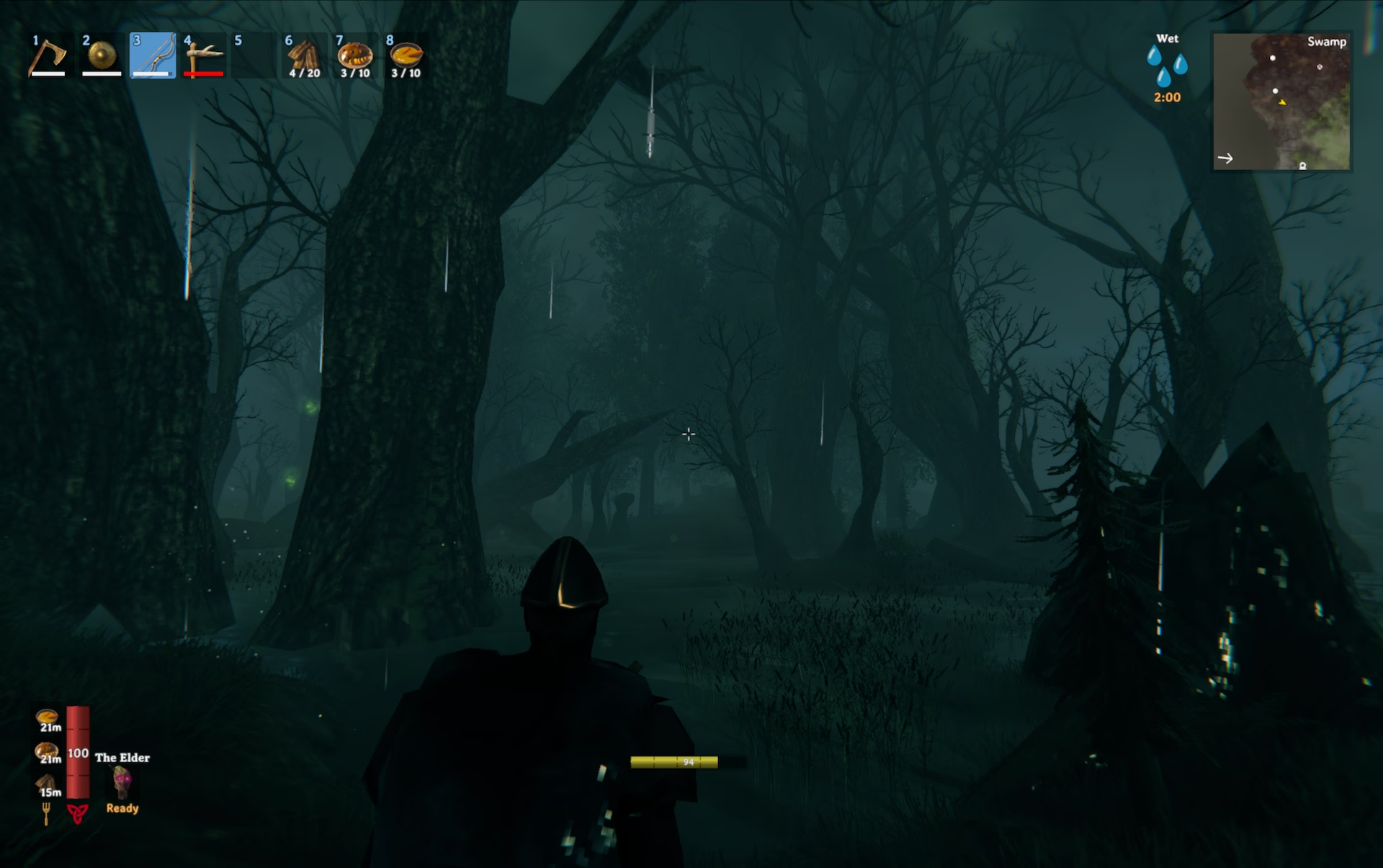
One of the reasons I love this game is its visuals. The atmosphere, charm, and sun rays are incredible, making the game feel immersive. I often find myself admiring the beauty of the game, which is not something I usually do.
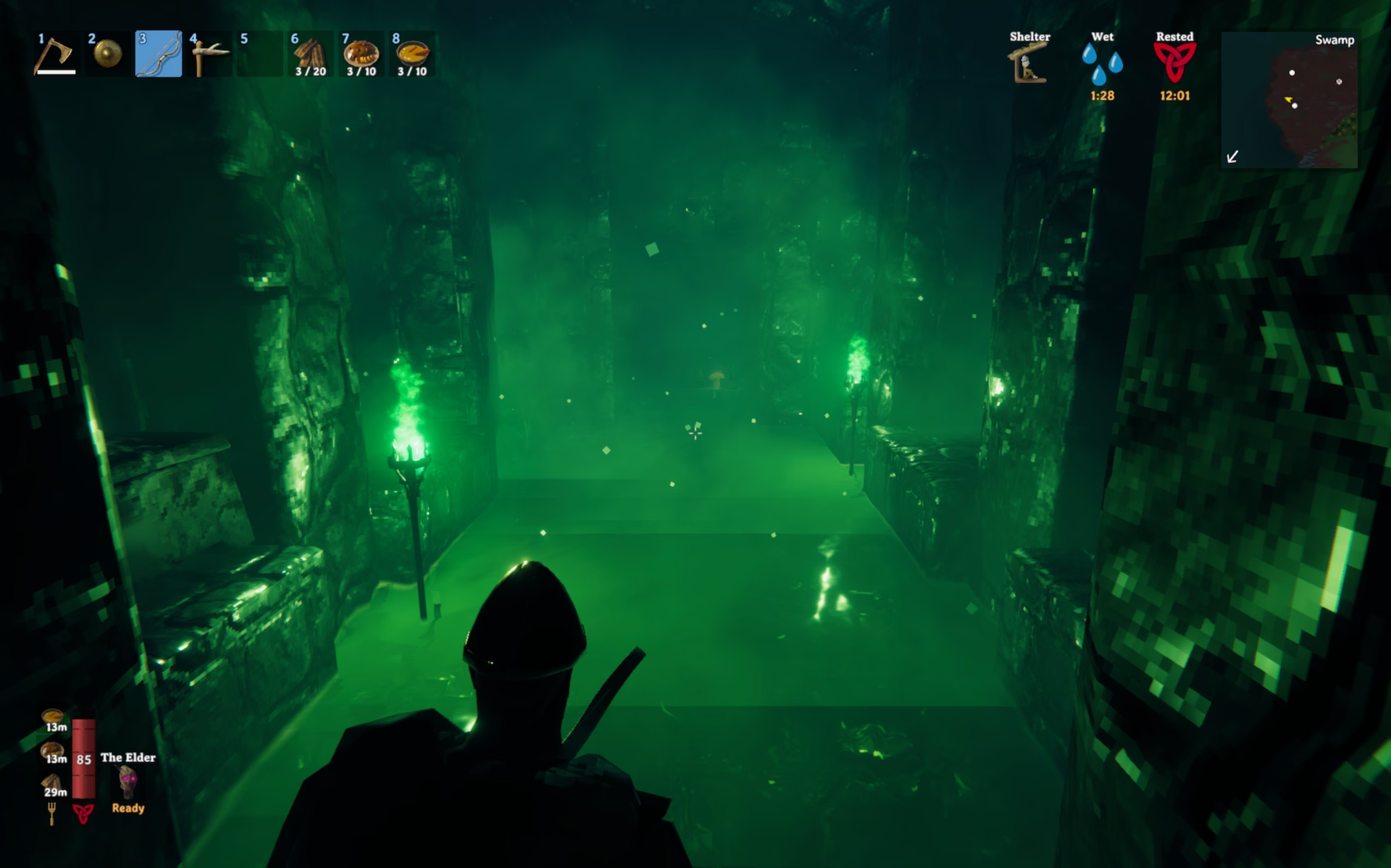
The game can also be edgy and creepy, especially in the Swamp biome, which has a dark and unsettling feel. The developers nailed the atmosphere, and the same goes for the music and sound design. The soundtrack is fantastic and relaxed, perfectly fitting the Viking aesthetic.
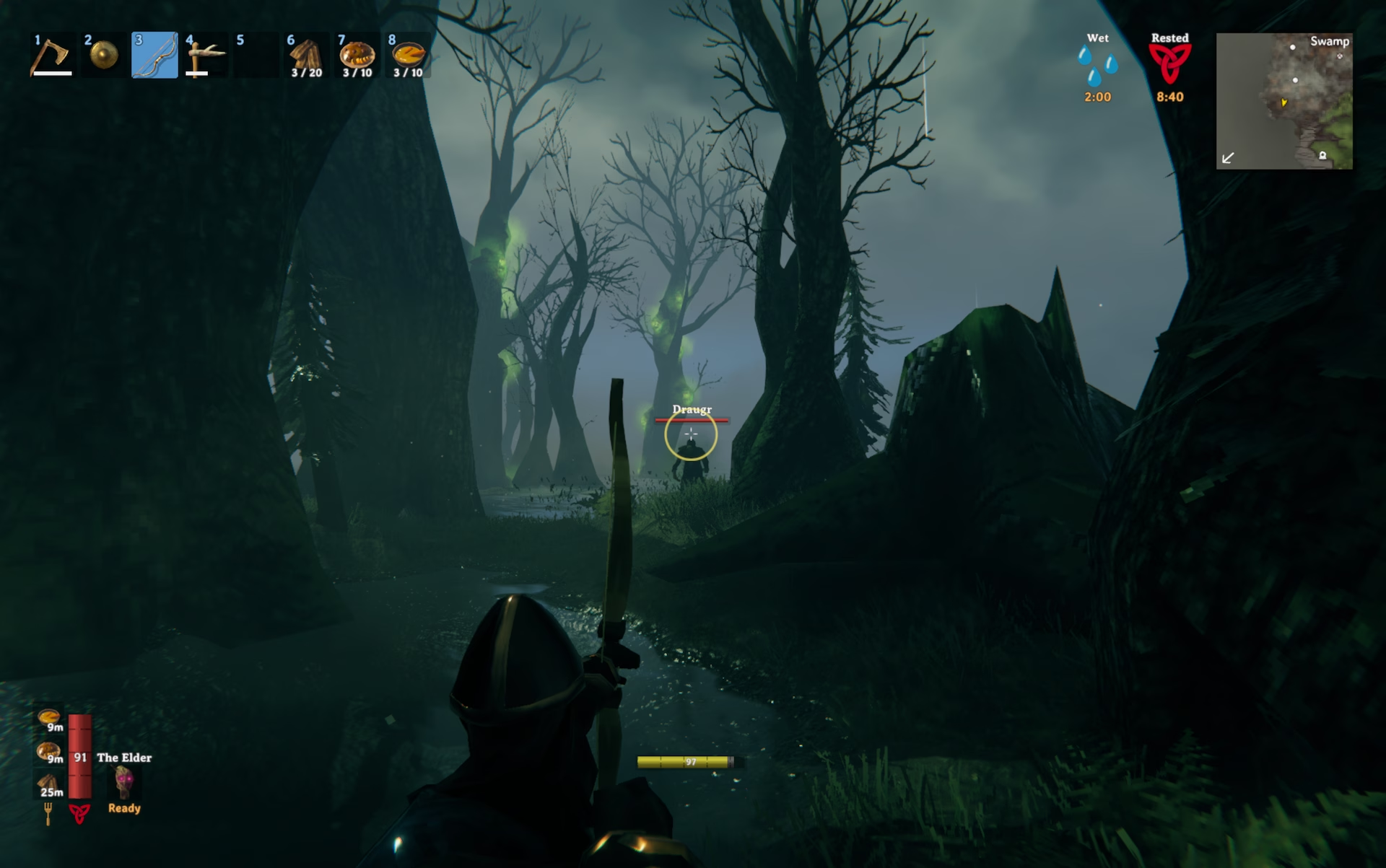
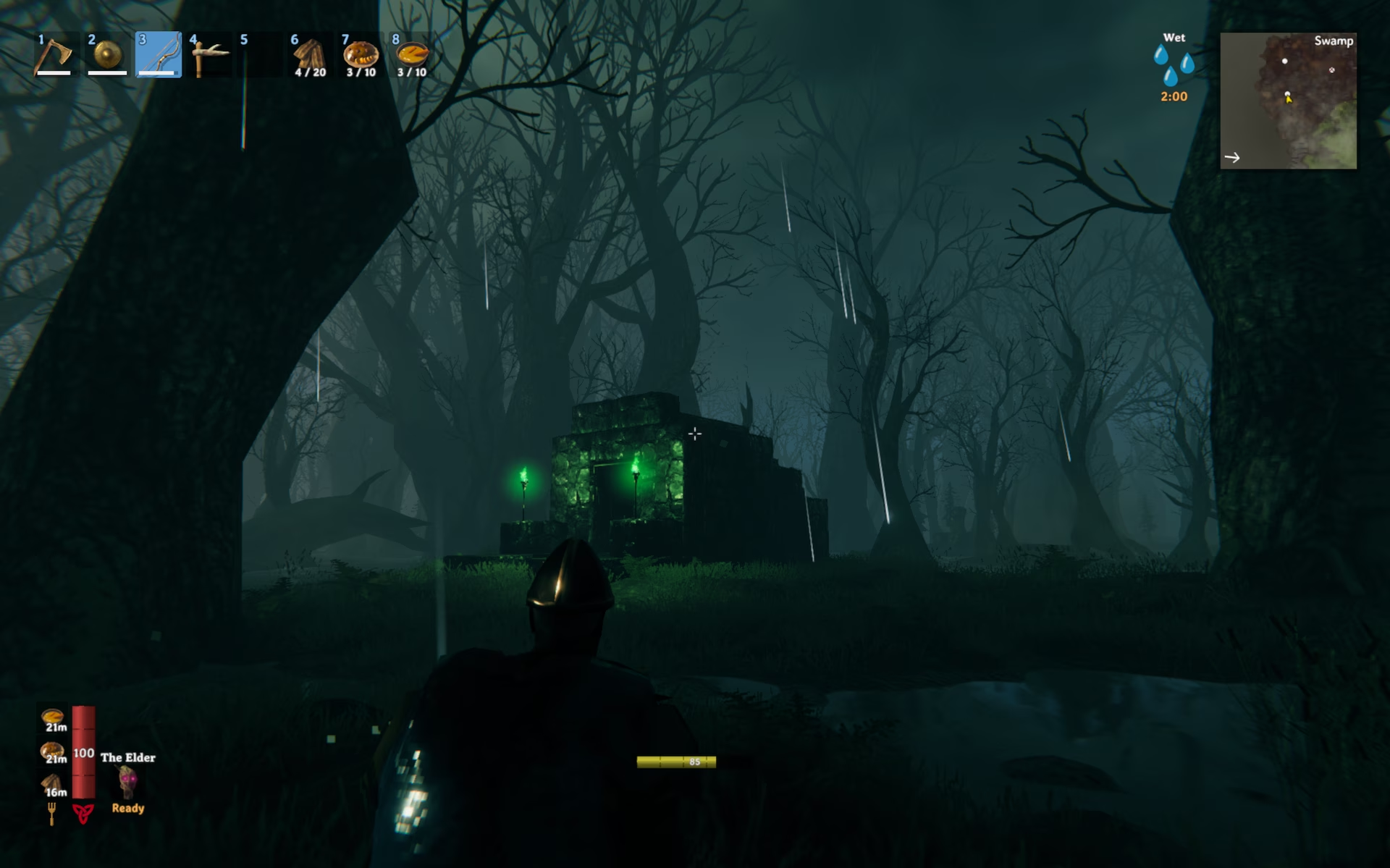
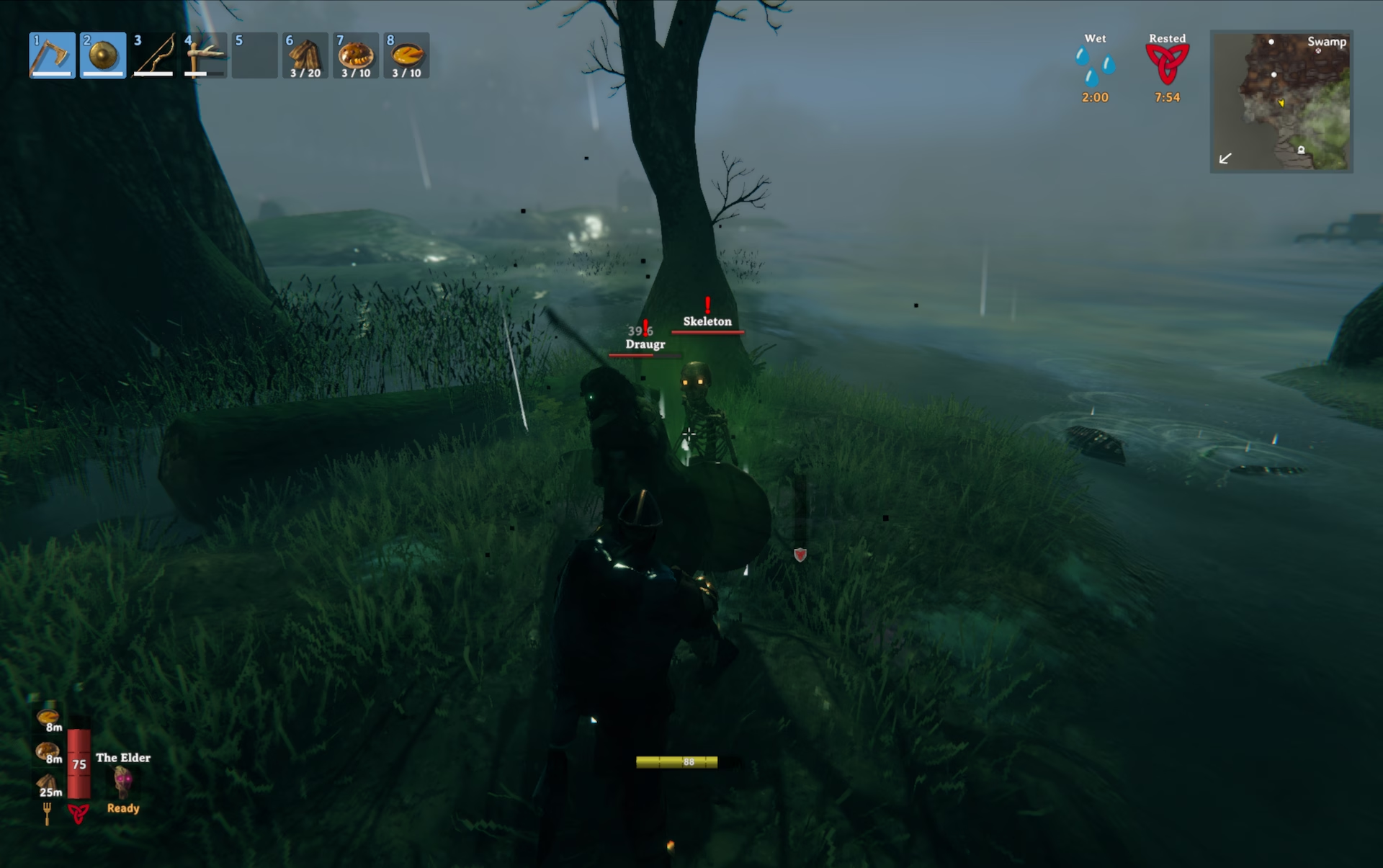
Let's talk about some gameplay mechanics. First, let's discuss building. Building in Valheim is different from most games in the genre because it involves physics. You can't just place blocks in mid-air; they need to have a foundation attached to the ground. For instance, as you build up a pole, the higher you go without support, the poles change color, indicating they are less supported. Eventually, if you continue building without adding supports, the entire structure will collapse, and you can't build out from it.
Initially, this might be frustrating, especially if you're used to other games where you can build however you want. This can be particularly annoying when constructing larger buildings. However, once you learn the mechanics of adding support systems and pillars, it becomes more immersive and realistic than other games. I also appreciate that you unlock building items as you progress, allowing you to add more details and decorations. Early in the game, you'll start with a basic wooden hut, but later, you can craft large mansions for you and your friends.
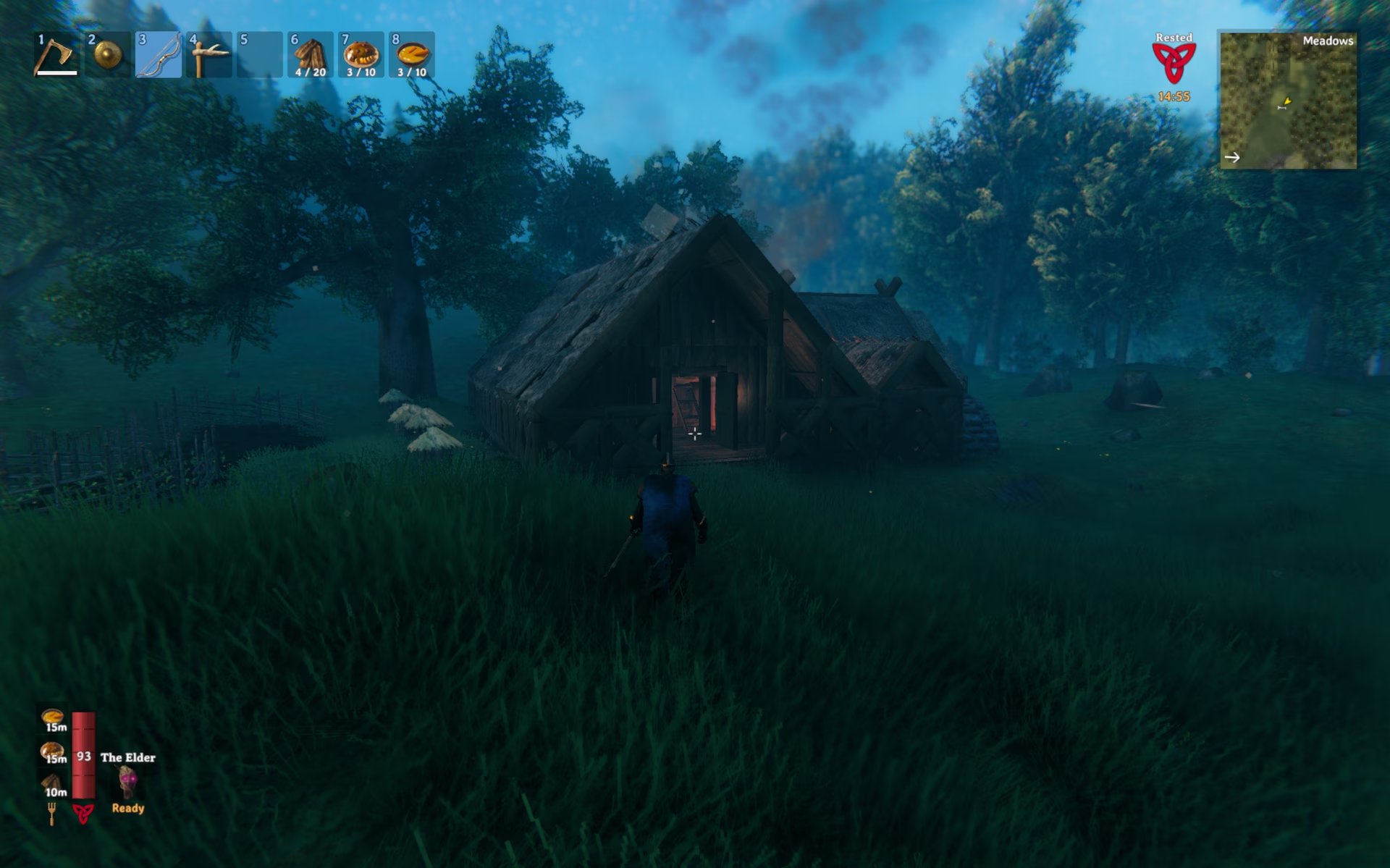
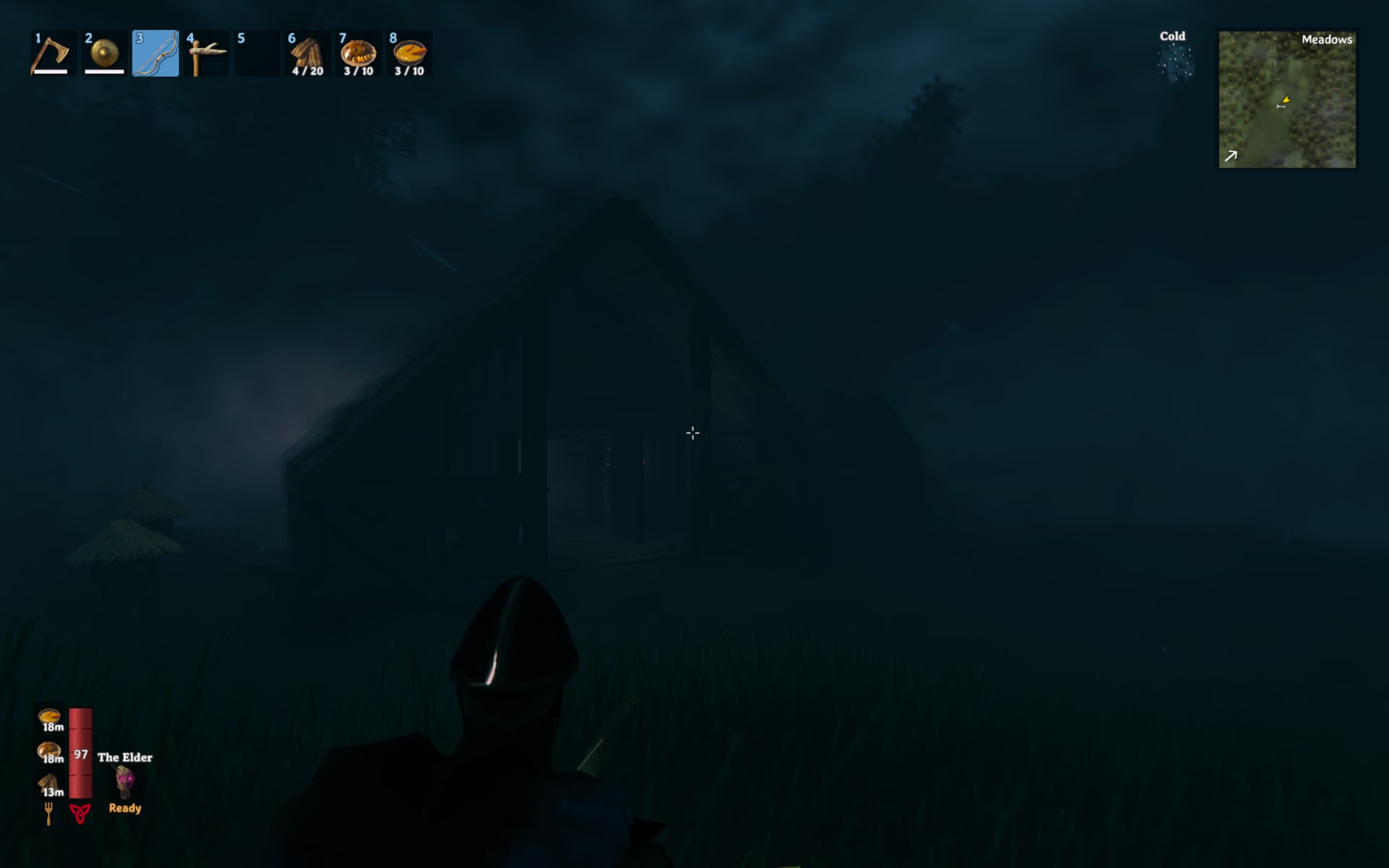
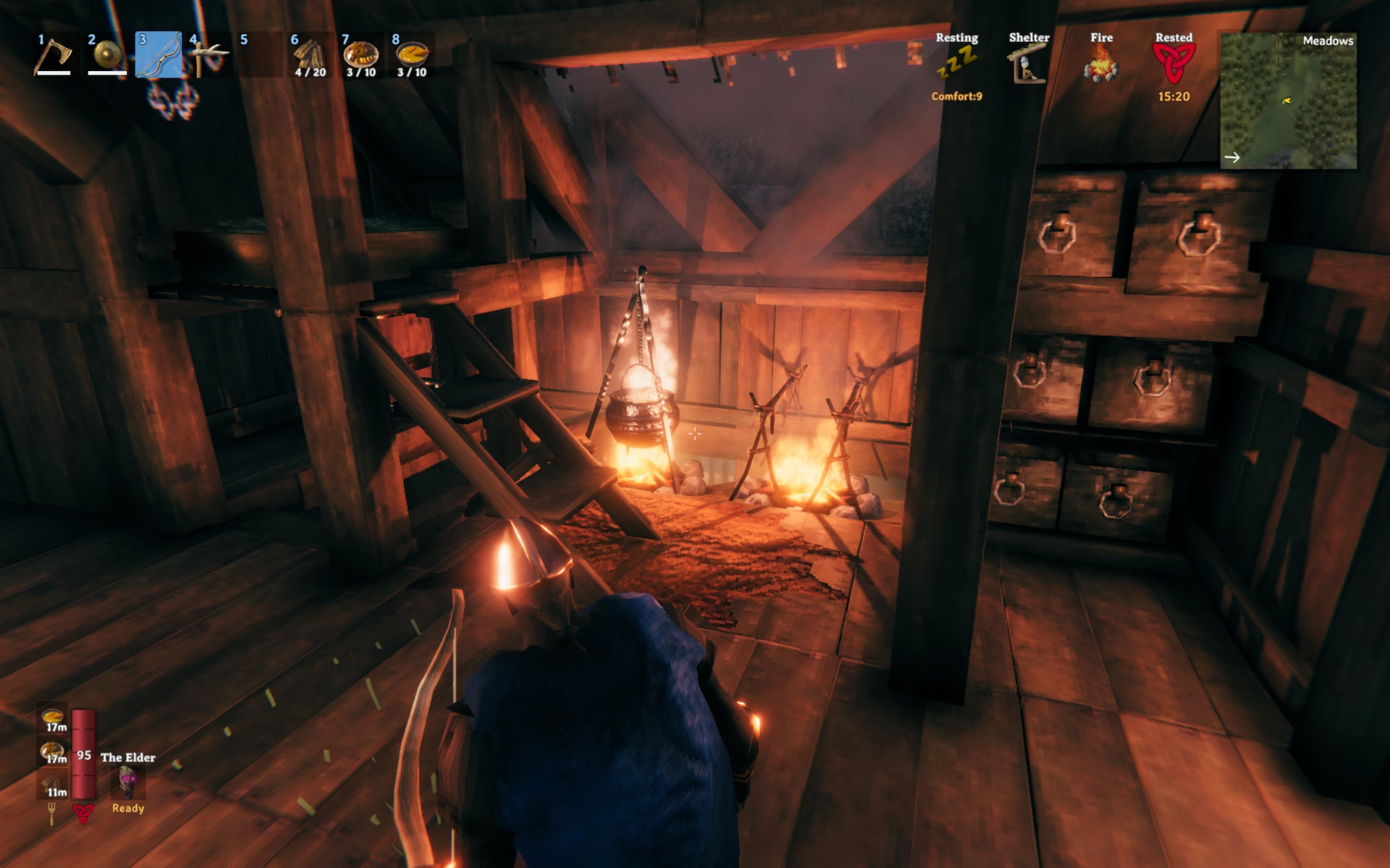
Now, let's talk about the food system. Valheim has a unique food system compared to most games. Typically, games have a hunger bar that you fill up, or you eat food to regenerate health when damaged. In Valheim, however, food buffs your character. You could have the best gear and weapons, but without good food, you'll have low health and stamina, limiting your ability to run or fight. The right food can provide significant boosts, such as +30 stamina and +15 health, with buffs lasting from a few minutes to up to 20 minutes. I enjoyed this aspect as it added another layer of progression and complexity.
However, this might be more challenging for solo players who have to gather everything and craft high-quality food themselves. Overall, I found the food system unique and engaging.
Next is the combat system, which also ties into skill points. You have skill points in various aspects, like melee, sneak attacks, bows, and wood chopping. The more you perform a specific action, the better you become at it.
For instance, if you're playing with friends, one person could focus on chopping wood to increase their skill, while another could specialize in hunting with a bow. These skills take a long time to develop; after 80 hours of gameplay, I'm still far from maxing out any skill. You can easily spend hundreds of hours just trying to max out your skills.
The combat system includes attack, block, and sneak mechanics. You can deal more damage by sneaking up behind enemies for a critical hit or aiming for headshots with a bow. However, if you have low sneak skills, sneaking up on enemies will be difficult.
Similarly, if you switch weapons, like going from an axe to a sword, you'll deal less damage with the new weapon until you improve your skills. Like in other survival games, crafting is also a key element. As you progress and defeat monsters, you discover new resources, unlocking more crafting options.
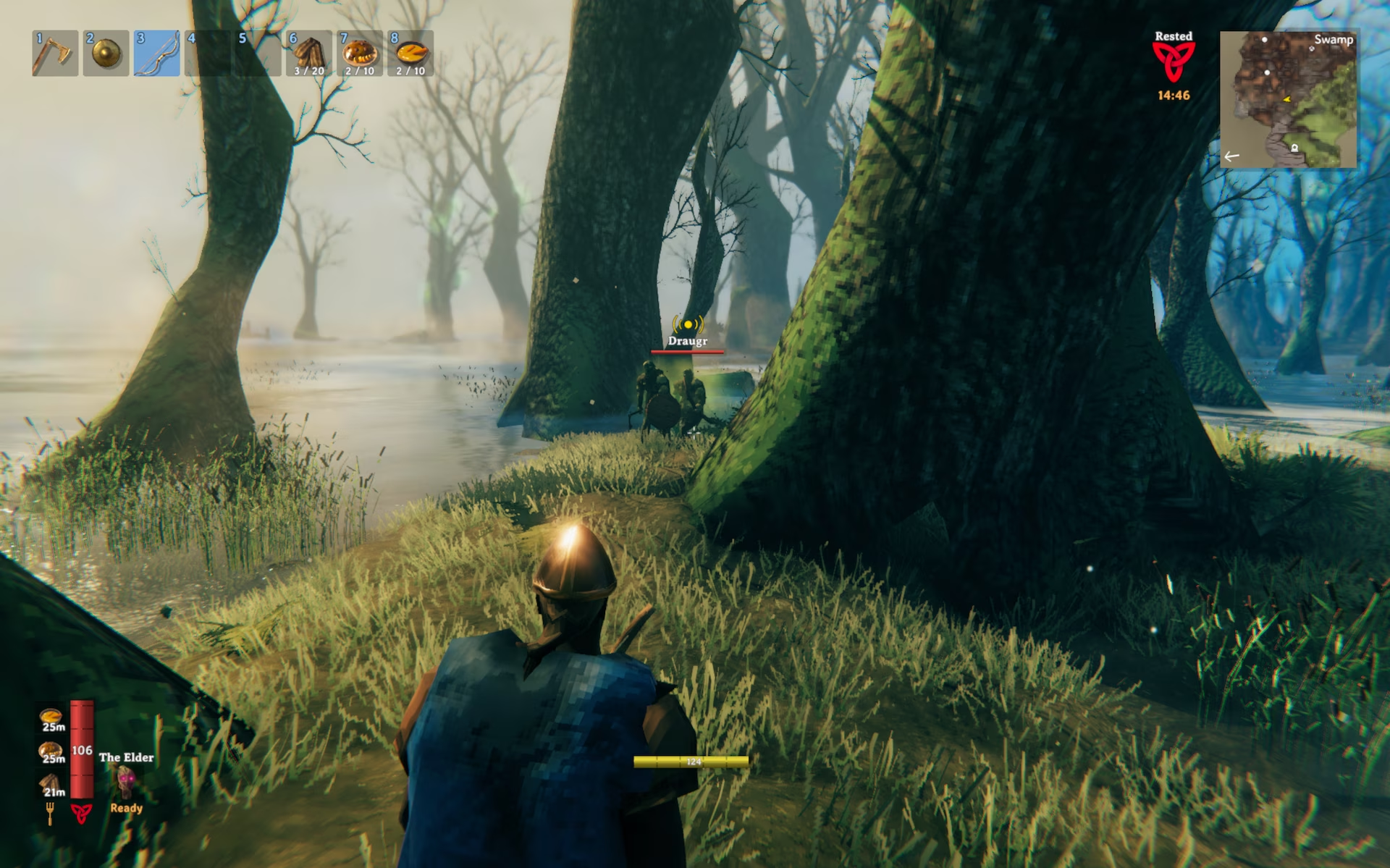
In the early game of Valheim, you start with basic tools like a wooden axe. As you progress, you can craft better tools, such as metal axes, which are more efficient for gathering resources and deal more damage. The same progression applies to armor. The game features a linear progression system, with each biome offering unique resources and enemies.
The game can feel really grindy at times, especially when gathering certain resources like iron, which can take a considerable amount of time. For example, I was mining copper and tin for like 3 hours (or even up to 4) to create all the necessary tools, a full armor set, and upgrade it. Someone may say “Ugh, only 3 hours, it’s nothing”, and I may agree, but you should repeat this process in most of the locations, and as for me, it’s a bit too much.
Resource costs for crafting certain items, particularly advanced weapons and armor, can be high, requiring significant time investment. This can be frustrating, especially for rarer materials like iron.
Moreover, if you die while sailing, you might lose your items, requiring you to do all the processes again, making the grind more punishing, particularly for solo players.
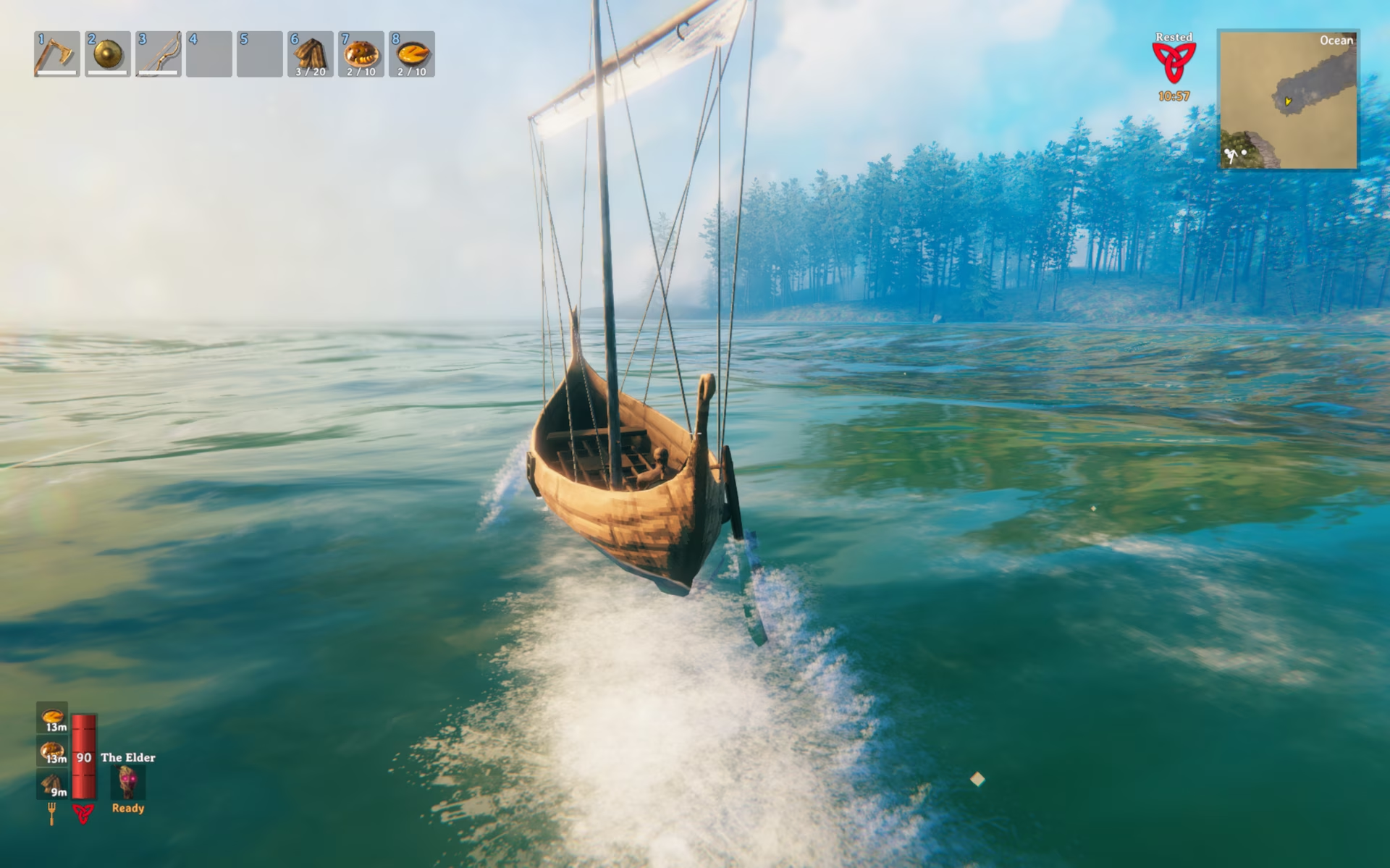
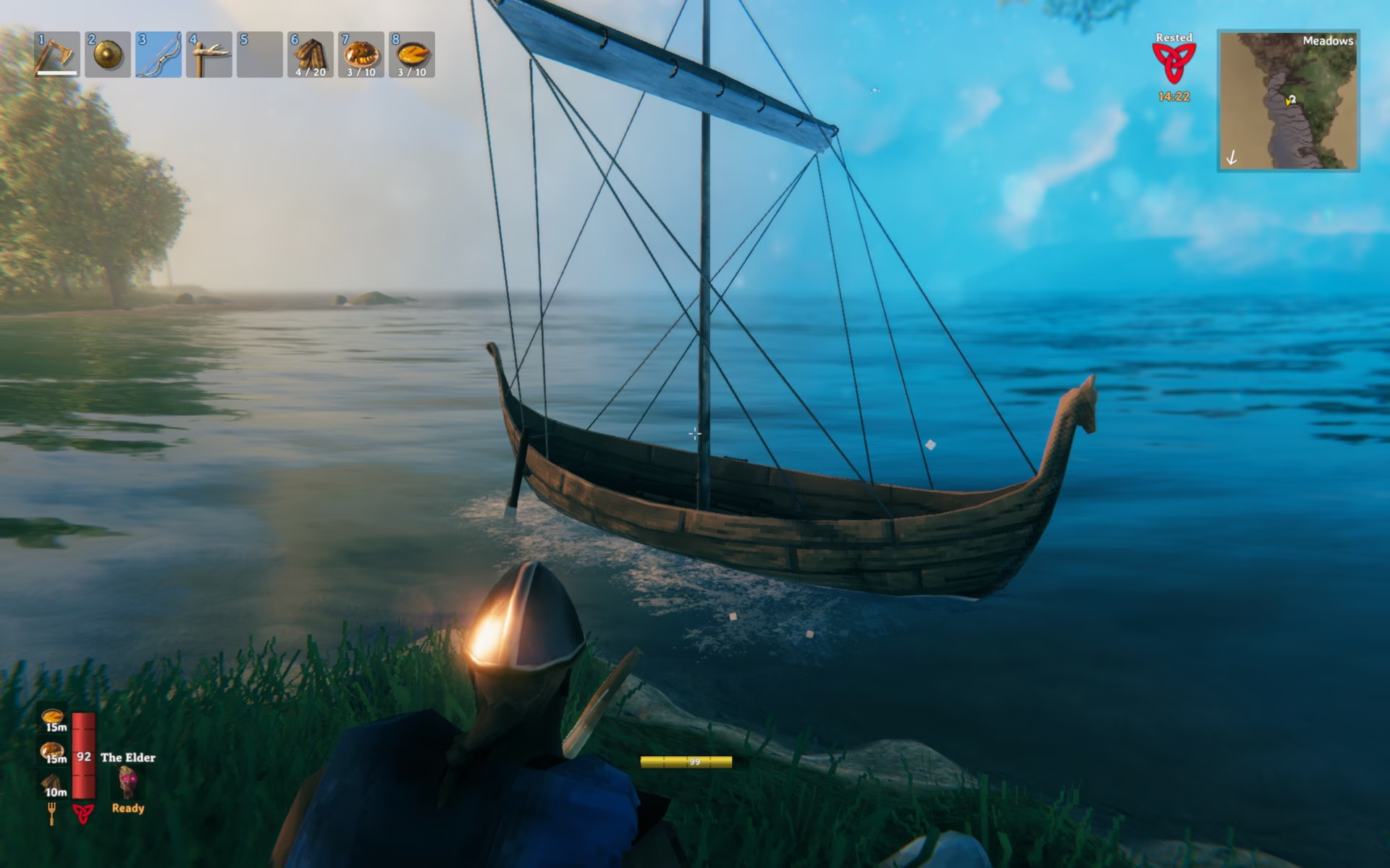
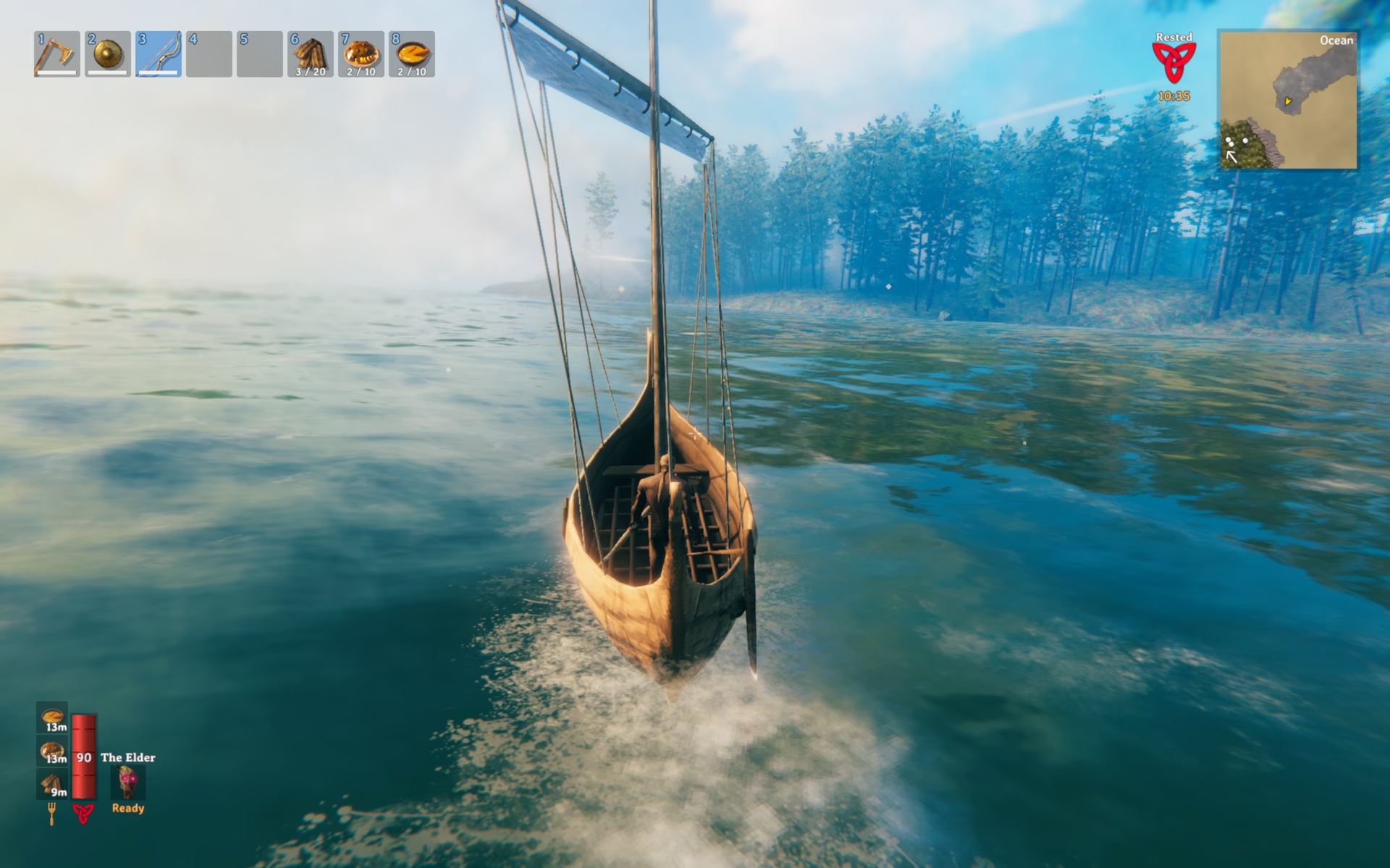
Valheim features several biomes. Each biome has different levels of enemies and better loot. The world is beautifully designed, making exploration enjoyable. The ocean biome, in particular, is notable for its serpents, which can attack you while you're on your boat.
The game is immersive, with mechanics like chopping down trees causing a domino effect, which can be particularly satisfying. It's an open-world game with high replay value, allowing you to easily spend hundreds of hours exploring and building.
However, there are some issues, such as occasional crashes during specific activities, like harvesting crops. Some players also experience strange hitbox mechanics, where attacks don't register correctly. I also found some minor bugs while playing, but it’s the Early Access game, so we can forgive the developers.
Valheim shines in multiplayer mode, where you can share tasks with friends, making the game more enjoyable and efficient. For instance, while I was playing with 2 friends, one of us was focusing on building, cooking, and harvesting, while I was hunting and mining with another friend.
Playing with friends also adds a fun element, such as trolling by dropping trees on each other, kiting a troll or stone golem, or simply fighting each other in PVP mode. Overall, the multiplayer experience is smooth, with minimal issues.


CEO | Editor | Content Writer


With over 15 years of playing games and 5 years of writing articles, Yaroslav is a CEO and content creator at HermitGamer. Yaroslav regularly plays video games, creates useful guides, and writes reviews with his opinion on new and old titles. His main goal is to make HermitGamer a platform, where each gamer can find the answers.





 Back to Top